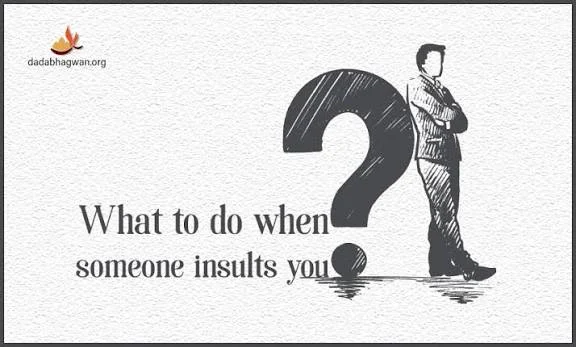
The best way to respond when someone insults you is to stay calm, protect your self-respect, and choose a reply that matches the situation. You can use humor, confidence, sarcasm, or a polite but firm response without lowering yourself to their level.
Ever had someone throw an unnecessary insult your way and suddenly your brain forgets every clever response you’ve ever heard? It happens! Whether someone makes a rude comment in a group chat, sends an insulting DM, embarrasses you at work, or makes a personal remark in front of friends, knowing what to say can make all the difference.
Learning how to respond when someone insults you isn’t about winning every argument. It’s about showing confidence, protecting your feelings, and making it clear that disrespect isn’t welcome. Sometimes a funny comeback works perfectly. Other times, a calm response or a firm boundary says much more. The trick is knowing which approach fits the moment.
1. Funny Responses to Someone Who Insults You
Sometimes laughter is the best way to handle an unnecessary insult. These replies keep things light while showing that you aren’t easily bothered.
- Did you practice that insult in the mirror?
Example: When a friend makes a weak joke about you.
Meaning: You find their attempt more amusing than offensive. - I’ll pretend that was funny.
Example: When someone makes a rude joke in a group.
Meaning: You aren’t impressed by their comment. - Is that the best you’ve got?
Example: When someone tries to provoke you.
Meaning: Their insult hasn’t affected your confidence. - Thanks for the unwanted review!
Example: When someone criticizes your appearance.
Meaning: You aren’t taking their judgment seriously. - Somebody woke up feeling opinionated.
Example: When a person starts making unnecessary remarks.
Meaning: You’re lightly calling out their attitude. - Should I laugh now or wait for the punchline?
Example: When someone delivers a particularly weak insult.
Meaning: Their comment wasn’t clever or impressive. - Well, that was an interesting contribution.
Example: When someone interrupts a friendly conversation with negativity.
Meaning: You’re dismissing their unnecessary negativity. - I’ll add that to my collection of useless opinions.
Example: When someone offers unsolicited criticism.
Meaning: Their opinion doesn’t carry much weight with you. - Did your filter take the day off?
Example: When someone says something unnecessarily rude.
Meaning: You’re pointing out their lack of manners humorously. - That’s one way to introduce yourself.
Example: When someone insults you during a first meeting.
Meaning: Their behavior has made a poor impression. - I wasn’t expecting a comedy show today.
Example: When someone tries to insult you with a joke.
Meaning: You’re treating their comment as entertainment. - Anyway, back to something interesting.
Example: When you want to move past a pointless insult.
Meaning: You’re refusing to give their negativity attention.
2. Brutal but Classy Responses to Insults
A strong comeback doesn’t need offensive language. These replies deliver a firm message while keeping your dignity intact.
- Your opinion doesn’t define my worth.
Example: When someone attacks your personality.
Meaning: You know your value isn’t determined by others. - I expected better, but that’s clearly my mistake.
Example: When someone you respect makes a hurtful remark.
Meaning: Their behavior has disappointed you. - You don’t know me well enough to judge me.
Example: When someone makes personal assumptions.
Meaning: You’re challenging their unfair judgment. - I won’t lower myself to match your behavior.
Example: When someone becomes verbally disrespectful.
Meaning: You refuse to participate in an insulting exchange. - That says more about you than it does about me.
Example: When someone makes a deliberately hurtful comment.
Meaning: Their behavior reflects their attitude. - I’m comfortable with myself, and that’s enough.
Example: When someone criticizes your choices.
Meaning: You don’t need their approval. - Respect is free, but apparently not everyone offers it.
Example: When someone repeatedly speaks rudely.
Meaning: You’re highlighting their lack of respect. - I don’t need to prove anything to you.
Example: When someone questions your abilities.
Meaning: You aren’t seeking validation from them. - Your negativity isn’t my responsibility.
Example: When someone constantly makes discouraging remarks.
Meaning: You refuse to carry their negative attitude. - I know who I am, regardless of what you say.
Example: When someone attacks your confidence.
Meaning: You’re standing firmly behind your self-worth. - Not every opinion deserves a response.
Example: When someone makes a pointless personal attack.
Meaning: You’re choosing not to entertain unnecessary criticism. - Let’s not confuse your judgment with the truth.
Example: When someone presents an insult as a fact.
Meaning: You’re separating their personal opinion from reality.
3. Sarcastic Responses to Someone Who Insults You
Want a little attitude without turning the situation into a serious argument? These sarcastic replies add personality to your response.
- Oh, what would I do without your opinion?
Example: When someone gives unsolicited criticism.
Meaning: You’re sarcastically dismissing their judgment. - Thank you for that fascinating observation.
Example: When someone points out something obvious to insult you.
Meaning: Their comment hasn’t impressed you. - I’ll make sure to lose sleep over that.
Example: When someone tries to make you feel insecure.
Meaning: Their insult doesn’t matter to you. - Was that meant to be helpful?
Example: When someone disguises an insult as advice.
Meaning: You’re questioning their intentions. - I appreciate your enthusiasm for judging me.
Example: When someone constantly comments on your decisions.
Meaning: You’re highlighting their unnecessary involvement. - What a wonderful use of your free time.
Example: When someone spends time criticizing you.
Meaning: You’re pointing out how unnecessary their behavior is. - I’ll give that opinion the attention it deserves.
Example: When someone makes a ridiculous personal remark.
Meaning: You’re showing that their judgment has little importance. - Did you want applause for that comment?
Example: When someone expects others to laugh at an insult.
Meaning: You’re refusing to reward their behavior. - That’s certainly a choice of words.
Example: When someone makes an awkward or rude remark.
Meaning: You’re subtly calling out their poor communication. - How original. I’m truly amazed.
Example: When someone repeats an old insult.
Meaning: You’re showing that their comment lacks originality. - I’ll consider that when I run out of things to worry about.
Example: When someone criticizes something unimportant.
Meaning: You’re refusing to prioritize their opinion. - Your confidence in that opinion is impressive.
Example: When someone makes an unfair judgment confidently.
Meaning: You’re questioning their certainty without arguing.
4. Polite Responses to Someone Who Insults You
Sometimes staying respectful is the strongest response. These replies help you address rude behavior without creating unnecessary drama.
- I would appreciate a little more respect.
Example: When someone speaks rudely during a conversation.
Meaning: You’re politely asking them to change their tone. - Let’s keep this conversation respectful.
Example: When a discussion becomes personal.
Meaning: You’re setting a clear boundary. - I understand your opinion, but I disagree.
Example: When someone criticizes your point of view.
Meaning: You’re acknowledging disagreement without accepting disrespect. - There’s no need to make this personal.
Example: When someone attacks you during a disagreement.
Meaning: You want to focus on the actual issue. - I’d prefer if we spoke kindly to each other.
Example: When someone makes repeated rude remarks.
Meaning: You’re requesting respectful communication. - I’m happy to discuss this without insults.
Example: When an argument starts becoming unpleasant.
Meaning: You’re open to discussion but not disrespect. - Let’s agree to disagree respectfully.
Example: When neither person shares the same opinion.
Meaning: You’re choosing peace over unnecessary conflict. - That comment wasn’t necessary.
Example: When someone makes a hurtful remark.
Meaning: You’re calmly identifying inappropriate behavior. - I hope we can communicate more thoughtfully.
Example: When someone speaks without considering your feelings.
Meaning: You want a healthier conversation. - I’d rather focus on something constructive.
Example: When someone keeps making negative comments.
Meaning: You’re redirecting the conversation. - Please don’t speak to me that way.
Example: When someone crosses a personal boundary.
Meaning: You’re clearly expressing what you won’t accept. - I respect your right to an opinion, but not disrespect.
Example: When someone uses their opinion to justify insulting you.
Meaning: You’re distinguishing free expression from rude behavior.
5. Professional Responses to Insults at Work
Workplace insults require a thoughtful approach. These responses help you remain professional while protecting your reputation and personal boundaries.
- I’d appreciate feedback delivered professionally.
Example: When a colleague criticizes you rudely.
Meaning: You’re requesting constructive communication. - Let’s keep our discussion focused on the work.
Example: When a meeting becomes unnecessarily personal.
Meaning: You’re redirecting attention toward professional matters. - Could you clarify the professional concern behind that comment?
Example: When someone makes a vague insulting remark.
Meaning: You’re asking them to provide useful feedback. - Personal remarks aren’t helping us solve this issue.
Example: When a coworker attacks your character.
Meaning: You’re separating personal criticism from work responsibilities. - I’m open to constructive feedback.
Example: When a manager or colleague criticizes your performance.
Meaning: You’re showing willingness to improve. - Let’s address the issue rather than criticize individuals.
Example: During a tense team discussion.
Meaning: You’re encouraging solution-focused communication. - I’d like to keep this conversation respectful.
Example: When a coworker speaks aggressively.
Meaning: You’re establishing a professional boundary. - Could we discuss this in a more productive way?
Example: When a workplace disagreement becomes unpleasant.
Meaning: You’re encouraging a constructive exchange. - I’m confident in my work and open to relevant suggestions.
Example: When someone questions your professional abilities.
Meaning: You’re expressing confidence without rejecting feedback. - That comment seems unrelated to the task at hand.
Example: When someone makes a personal remark during a meeting.
Meaning: You’re highlighting the lack of relevance. - I would prefer to address this matter objectively.
Example: When a disagreement becomes emotional.
Meaning: You’re choosing professionalism over personal conflict. - Please keep future feedback respectful and specific.
Example: When a colleague repeatedly makes insulting remarks.
Meaning: You’re setting expectations for future communication.
6. Confident Responses to Insults
Confidence means knowing your worth without needing to convince everyone. These replies show that you can stand up for yourself.
- I’m not defined by your opinion.
Example: When someone questions your identity or personality.
Meaning: You understand your worth independently. - I know my strengths, and I know my flaws.
Example: When someone tries to make you feel inadequate.
Meaning: You’re comfortable with your imperfections. - I’m not here to impress everyone.
Example: When someone criticizes your lifestyle.
Meaning: You don’t depend on universal approval. - Your words don’t change who I am.
Example: When someone makes a personal attack.
Meaning: Your identity isn’t controlled by their comments. - I’m proud of the person I’m becoming.
Example: When someone makes fun of your progress.
Meaning: You’re focused on personal growth. - I don’t need your permission to be myself.
Example: When someone judges your choices.
Meaning: You’re comfortable making your own decisions. - I’m secure enough not to argue about my worth.
Example: When someone repeatedly questions your value.
Meaning: You don’t feel the need to defend your identity. - I know what I bring to the table.
Example: When someone underestimates your abilities.
Meaning: You’re aware of your own value. - Confidence doesn’t require your approval.
Example: When someone mocks your self-assurance.
Meaning: Your confidence comes from within. - I choose how I respond, not how you behave.
Example: When someone tries to provoke you.
Meaning: You’re taking control of your reaction. - I’m comfortable standing up for myself.
Example: When someone expects you to tolerate disrespect.
Meaning: You’re willing to protect your boundaries. - I have nothing to prove to someone who refuses to understand me.
Example: When someone repeatedly misunderstands your intentions.
Meaning: You’re choosing self-respect over endless explanations.
7. Clever Responses to Insults
A clever response makes someone think twice without requiring a lengthy argument. Try these intelligent replies when you want to respond with wit.
- An opinion isn’t automatically a fact.
Example: When someone presents their judgment as the truth.
Meaning: You’re questioning the accuracy of their statement. - Let’s separate assumptions from reality.
Example: When someone makes an unfair assumption about you.
Meaning: You’re encouraging a more thoughtful discussion. - Interesting conclusion, considering the limited information.
Example: When someone judges you without knowing the details.
Meaning: You’re pointing out their lack of understanding. - Not every thought needs to become a statement.
Example: When someone makes an unnecessary personal comment.
Meaning: You’re questioning their judgment. - I prefer facts over personal attacks.
Example: When someone insults you during a disagreement.
Meaning: You’re asking for a meaningful discussion. - Your conclusion seems a little premature.
Example: When someone judges you too quickly.
Meaning: You’re challenging their assumptions. - Let’s not mistake confidence for correctness.
Example: When someone insists they’re right without evidence.
Meaning: You’re highlighting the difference between certainty and truth. - I see the opinion, but where’s the reasoning?
Example: When someone makes an unsupported criticism.
Meaning: You’re asking them to explain their judgment. - That’s an assumption, not an explanation.
Example: When someone makes claims about your intentions.
Meaning: You’re challenging their reasoning. - A thoughtful response would have been more useful.
Example: When someone chooses insults instead of discussion.
Meaning: You’re highlighting their poor communication. - We seem to have different standards of communication.
Example: When someone repeatedly speaks disrespectfully.
Meaning: You’re expressing disapproval without being insulting. - I’ll take constructive criticism over unnecessary commentary.
Example: When someone criticizes you without offering solutions.
Meaning: You’re showing that you value useful feedback.
8. Chill and Casual Responses to Insults
Not every insult deserves a serious conversation. These casual replies help you brush off minor comments and keep your day moving.
- Okay, if you say so.
Example: When someone makes a minor negative comment.
Meaning: You’re choosing not to argue. - No worries, I’m good.
Example: When someone tries to make you feel bad.
Meaning: You’re showing that you’re comfortable with yourself. - Anyway, what’s next?
Example: When someone makes an irrelevant remark.
Meaning: You’re moving the conversation forward. - That’s your perspective.
Example: When someone shares a negative judgment.
Meaning: You’re acknowledging their opinion without accepting it. - I’m not bothered, honestly.
Example: When someone expects an emotional reaction.
Meaning: You’re showing emotional independence. - Let’s not make this a whole thing.
Example: When a small disagreement starts growing.
Meaning: You want to avoid unnecessary drama. - All good, moving on.
Example: When someone makes a passing rude remark.
Meaning: You’re refusing to dwell on it. - Noted, but I’m still doing me.
Example: When someone criticizes your personal choices.
Meaning: You’re staying true to yourself. - We don’t have to agree.
Example: When someone disagrees with your opinion.
Meaning: You’re comfortable with different perspectives. - That’s not really my concern.
Example: When someone makes an irrelevant personal judgment.
Meaning: You’re refusing to take unnecessary responsibility. - It’s fine. Let’s keep going.
Example: When you want to end an awkward exchange.
Meaning: You’re choosing to move forward. - I’m saving my energy for better things.
Example: When someone tries to start an argument.
Meaning: You’re prioritizing your peace.
9. Emotional Responses When Someone Hurts Your Feelings
Sometimes an insult genuinely hurts, especially when it comes from someone you care about. These responses help you communicate your feelings honestly.
- That actually hurt more than you realize.
Example: When a close friend makes a personal remark.
Meaning: You’re expressing genuine emotional pain. - I didn’t expect you to speak to me that way.
Example: When someone you trust insults you.
Meaning: You’re expressing disappointment. - I deserve kindness, even when we disagree.
Example: When an argument becomes personal.
Meaning: You’re reminding someone that disagreement doesn’t justify cruelty. - Your words matter to me, which is why that hurt.
Example: When a loved one’s comment affects you deeply.
Meaning: You’re explaining why their behavior matters. - I wish you had considered my feelings first.
Example: When someone makes an insensitive joke.
Meaning: You’re asking for greater emotional awareness. - I don’t want to fight, but I won’t pretend that was okay.
Example: When you want to resolve a disagreement.
Meaning: You’re balancing peace with honesty. - I need a little time to process what you said.
Example: When an unexpected insult leaves you upset.
Meaning: You’re giving yourself space to process your emotions. - I thought we understood each other better than this.
Example: When someone close makes an unfair judgment.
Meaning: You’re expressing disappointment in the relationship. - Please understand that jokes can hurt too.
Example: When someone dismisses an insult as humor.
Meaning: You’re explaining the emotional impact of their words. - I value our relationship, but respect matters too.
Example: When a friend repeatedly makes hurtful comments.
Meaning: You’re expressing care while establishing a boundary. - I shouldn’t have to hide my feelings to keep the peace.
Example: When someone expects you to ignore disrespect.
Meaning: You’re standing up for your emotional needs. - I’d rather have an honest conversation than exchange hurtful words.
Example: When a disagreement becomes emotionally exhausting.
Meaning: You’re choosing communication over conflict.
10. Responses to Insults From Friends
Friends sometimes cross the line while joking around. These replies help you keep the friendship while making your boundaries clear.
- Friendship doesn’t mean free insults.
Example: When a friend repeatedly makes fun of you.
Meaning: You’re reminding them that respect matters. - You know me better than that.
Example: When a close friend makes an unfair assumption.
Meaning: You’re expressing disappointment in their judgment. - I can handle jokes, but know where to draw the line.
Example: When friendly teasing becomes hurtful.
Meaning: You’re establishing limits around humor. - We’re friends, not competitors.
Example: When someone constantly puts you down.
Meaning: You’re encouraging a supportive friendship. - Don’t make me regret telling you things.
Example: When a friend uses personal information against you.
Meaning: You’re expressing that trust has been damaged. - You can be honest without being hurtful.
Example: When a friend criticizes you harshly.
Meaning: You’re asking for kindness alongside honesty. - I thought we were on the same team.
Example: When a friend embarrasses you publicly.
Meaning: You’re expressing disappointment in their lack of support. - Let’s keep the jokes friendly, please.
Example: When teasing starts feeling uncomfortable.
Meaning: You’re asking them to respect your limits. - I wouldn’t speak to you that way.
Example: When a friend makes a disrespectful remark.
Meaning: You’re highlighting the importance of mutual respect. - You can disagree with me without putting me down.
Example: When a friend attacks your opinion.
Meaning: You’re separating disagreement from disrespect. - I love our friendship, but that wasn’t cool.
Example: When someone close makes an insensitive comment.
Meaning: You’re protecting the friendship while addressing the issue. - Let’s not turn friendship into a competition.
Example: When a friend constantly compares achievements.
Meaning: You’re encouraging mutual support instead of rivalry.
11. Responses to Insults From Family Members
Family comments can feel especially personal. These replies help you maintain respect while communicating that certain remarks are unacceptable.
- I respect you, and I expect the same in return.
Example: When a family member speaks disrespectfully.
Meaning: You’re asking for mutual respect. - Please don’t make personal comments about me.
Example: When relatives criticize your appearance or choices.
Meaning: You’re setting a personal boundary. - We may disagree, but we’re still family.
Example: When a family discussion becomes heated.
Meaning: You’re reminding everyone about the relationship. - I would appreciate support instead of criticism.
Example: When relatives make discouraging remarks.
Meaning: You’re communicating your need for encouragement. - My choices deserve respect, even if you disagree.
Example: When family members criticize your decisions.
Meaning: You’re standing up for your independence. - That comment was unnecessary and hurtful.
Example: When someone makes an insulting family remark.
Meaning: You’re directly addressing their behavior. - Let’s talk without bringing up personal matters.
Example: When an argument includes private information.
Meaning: You’re protecting personal boundaries. - I don’t want our relationship to become about criticism.
Example: When a relative frequently puts you down.
Meaning: You’re asking for a healthier relationship. - I’m still learning, and that’s perfectly okay.
Example: When someone criticizes your mistakes.
Meaning: You’re accepting personal growth without shame. - Please understand that your words affect me too.
Example: When family members dismiss your feelings.
Meaning: You’re asking them to consider your emotions. - I can accept advice without accepting disrespect.
Example: When criticism is presented as family guidance.
Meaning: You’re distinguishing helpful advice from insults. - I’d rather we treat each other with kindness.
Example: When a family disagreement becomes personal.
Meaning: You’re prioritizing a respectful relationship.
12. Short and Powerful Responses to Insults
Sometimes one sentence is enough. These short replies are perfect for quick conversations, text messages, and social media comments.
- That’s unnecessary.
Example: When someone makes a rude remark.
Meaning: You’re calling out their behavior directly. - Stay respectful.
Example: When someone crosses a boundary.
Meaning: You’re demanding basic courtesy. - Not impressed.
Example: When someone expects a reaction to an insult.
Meaning: Their attempt hasn’t worked. - Know your limits.
Example: When someone repeatedly disrespects you.
Meaning: You’re warning them not to cross your boundaries. - I know my worth.
Example: When someone questions your value.
Meaning: You’re expressing self-confidence. - That’s your problem.
Example: When someone makes their negativity your responsibility.
Meaning: You’re refusing to carry their judgment. - Let’s be mature.
Example: When an argument becomes childish.
Meaning: You’re asking for better communication. - Try kindness next time.
Example: When someone makes an insensitive comment.
Meaning: You’re encouraging respectful behavior. - I disagree, respectfully.
Example: When someone criticizes your opinion.
Meaning: You’re expressing disagreement calmly. - Keep it classy.
Example: When someone becomes unnecessarily rude.
Meaning: You’re reminding them to behave respectfully. - That won’t change my mind.
Example: When someone insults you to influence a decision.
Meaning: You’re standing by your position. - I’m done entertaining this.
Example: When a conversation becomes unproductive.
Meaning: You’re choosing to end the exchange.
13. Responses to Insults on Social Media and in DMs
Online insults can come from strangers, followers, or people hiding behind anonymous accounts. These replies help you handle negativity without getting pulled into endless comment battles.
- Thanks for stopping by with that opinion.
Example: When someone leaves an unnecessary negative comment.
Meaning: You’re responding lightly without taking the bait. - Not every comment needs a reaction.
Example: When a stranger tries to provoke you.
Meaning: You’re choosing not to engage. - Your comment doesn’t define my content.
Example: When someone criticizes your social media post.
Meaning: You’re staying confident in what you share. - Constructive feedback is welcome, personal attacks aren’t.
Example: When someone insults you under a public post.
Meaning: You’re setting clear expectations. - You could have kept scrolling.
Example: When someone leaves a pointless negative comment.
Meaning: You’re questioning why they chose to engage. - I hope your day gets better.
Example: When someone sends an unnecessarily rude DM.
Meaning: You’re refusing to respond with hostility. - I’m not debating my worth in the comments.
Example: When someone questions your appearance or abilities.
Meaning: You’re protecting your self-respect. - Let’s keep the internet a little kinder.
Example: When someone makes a personal attack online.
Meaning: You’re encouraging better online behavior. - You don’t have to like everything you see.
Example: When someone criticizes your personal content.
Meaning: You’re reminding them that opinions are optional. - I’ll take genuine feedback, not unnecessary negativity.
Example: When someone disguises an insult as advice.
Meaning: You’re distinguishing useful criticism from hostility. - Mute, block, and protect your peace.
Example: When someone repeatedly sends abusive messages.
Meaning: You’re choosing practical boundaries over online arguments. - My page, my space, my boundaries.
Example: When someone repeatedly disrespects you online.
Meaning: You’re establishing control over your online environment.
14. Responses to Insults From Someone You Like or Have a Crush On
An insult from someone you like can feel confusing. You might want to keep things playful, but you shouldn’t have to accept disrespect to impress anyone.
- I thought you had better lines than that.
Example: When your crush makes a weak joke about you.
Meaning: You’re responding playfully while showing confidence. - You can get my attention without insulting me.
Example: When someone uses teasing to get your attention.
Meaning: You’re expressing that kindness is more attractive. - Is that your way of flirting?
Example: When someone makes a playful but slightly rude remark.
Meaning: You’re questioning their intentions flirtatiously. - I’d prefer a compliment, honestly.
Example: When someone makes an unnecessary comment about your appearance.
Meaning: You’re inviting a kinder interaction. - You’re cute, but that comment wasn’t.
Example: When someone you like crosses a small boundary.
Meaning: You’re mixing affection with honest feedback. - Try again, but make it respectful.
Example: When someone attempts to tease you.
Meaning: You’re giving them a chance to communicate better. - I like confidence, not disrespect.
Example: When someone confuses arrogance with charm.
Meaning: You’re communicating your relationship standards. - You don’t have to tease me to make me notice you.
Example: When your crush repeatedly makes fun of you.
Meaning: You’re showing that direct attention works better. - That wasn’t as charming as you thought.
Example: When someone makes an awkward attempt at flirting.
Meaning: You’re gently pointing out their mistake. - Let’s keep the chemistry and lose the insults.
Example: When playful flirting becomes uncomfortable.
Meaning: You’re encouraging a healthier romantic interaction. - I enjoy talking to you, but respect matters.
Example: When someone you like makes a hurtful comment.
Meaning: You’re showing interest without ignoring your boundaries. - A little kindness would make you even more attractive.
Example: When someone tries to impress you with teasing.
Meaning: You’re suggesting that respectful behavior is appealing.
15. Responses That Set Strong Boundaries Against Insults
When someone repeatedly insults you, a clear boundary may be more useful than another comeback. These responses make your expectations unmistakable.
- I won’t continue a conversation where I’m being disrespected.
Example: When someone repeatedly uses insulting language.
Meaning: You’re making continued communication conditional on respect. - Speak respectfully, or we can end this conversation.
Example: When someone refuses to change their tone.
Meaning: You’re giving a clear choice. - My personal boundaries aren’t open for debate.
Example: When someone ignores your requests.
Meaning: You’re reinforcing your right to set limits. - I’ve already explained that this behavior is unacceptable.
Example: When someone repeats an insulting action.
Meaning: You’re making it clear that the issue has been addressed. - I’m stepping away until we can communicate respectfully.
Example: When an argument becomes emotionally exhausting.
Meaning: You’re taking space instead of escalating the conflict. - Don’t mistake my silence for permission.
Example: When someone assumes you will tolerate repeated insults.
Meaning: You’re clarifying that silence doesn’t equal acceptance. - I deserve to be treated with basic respect.
Example: When someone dismisses your feelings.
Meaning: You’re asserting a reasonable expectation. - This conversation ends when the disrespect starts.
Example: When someone repeatedly crosses the line.
Meaning: You’re establishing a firm consequence. - I’m not available for personal attacks.
Example: When someone tries to provoke you into an argument.
Meaning: You’re refusing to participate in disrespectful communication. - You can disagree with me, but you cannot disrespect me.
Example: When someone uses disagreement as an excuse for insults.
Meaning: You’re protecting your dignity while allowing different opinions. - If this continues, I’ll have to reconsider our communication.
Example: When someone repeatedly ignores your boundaries.
Meaning: You’re communicating that their behavior has consequences. - I choose peace, but I also choose self-respect.
Example: When you decide to walk away from a toxic exchange.
Meaning: You’re prioritizing your emotional well-being and dignity.
Frequently Asked Questions (FAQs)
What Does It Mean When Someone Insults You?
An insult is a hurtful or disrespectful comment intended to criticize, embarrass, or offend someone.
What Is the Best Way to Respond When Someone Insults You?
Stay calm, avoid reacting impulsively, and choose a confident response that fits the situation.
How Do You Respond When Someone Insults You but You Don’t Want to Fight?
Say, “I don’t appreciate that comment. Let’s move on.”
How Do You Respond to an Insult From Someone You Like?
Stay playful if appropriate, but make it clear that respect matters to you.
What Does It Mean When Someone Insults You as a Joke?
They may be teasing, but humor doesn’t automatically make hurtful comments acceptable.
How Do You Respond to an Insult Professionally?
Say, “I’d appreciate it if we kept this conversation respectful and constructive.”
What Should You Say When Someone Insults Your Appearance?
Say, “I’m comfortable with how I look, and your opinion doesn’t change that.”
How Do You Respond to Someone Who Insults You Repeatedly?
Set a firm boundary and reduce contact if they continue disrespecting you.
What If You Don’t Actually Mean Your Comeback?
Choose a neutral response like, “Let’s not make this personal.”
Is Humor Appropriate When Someone Insults You?
Yes, when the situation is lighthearted and humor won’t encourage further disrespect.
Should You Ignore Someone Who Insults You?
Ignoring minor insults can help, but repeated harassment may require stronger boundaries.
How Can You Avoid Getting Emotional When Someone Insults You?
Pause, take a breath, and remind yourself that you control your reaction.
Conclusion
Knowing how to respond when someone insults you can completely change the way you handle difficult conversations. You don’t always need the funniest comeback or the sharpest reply. Sometimes a simple boundary, a confident statement, or walking away makes the strongest impression.
Remember, your worth doesn’t depend on someone else’s opinion, and you never have to accept disrespect to keep someone happy. Choose responses that match your personality and the situation. Save this list for those unexpected moments when words suddenly disappear. Share it with a friend who needs a little confidence boost, and remember: respect yourself first






2 thoughts on “250+ Ways How to Respond When Someone Insults You: Funny, Clever, and Confident Comebacks in 2026”