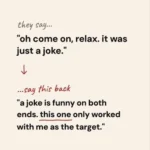
The best comebacks to calm down someone depend on the situation and your relationship. Whether someone is getting angry, acting dramatic, or telling you to relax, the right response can ease tension while keeping your confidence intact.
Someone tells you to calm down, and suddenly, staying calm becomes the hardest part of the conversation. We’ve all been there! Whether it’s a heated text exchange, an awkward office moment, a disagreement with friends, or a playful argument with your crush, those two little words can feel surprisingly annoying.
The trick is knowing how to respond without turning a small disagreement into a full-blown argument. Sometimes a funny comeback breaks the tension. Other times, a confident or polite response makes your point without adding unnecessary drama. That’s where the right comebacks to calm down come in handy. They help you express yourself, protect your boundaries, and keep conversations under control.
1. Funny Comebacks to Calm Down
Sometimes laughter is the easiest way to take the heat out of a conversation. These funny responses work when you want to lighten the mood without dismissing someone’s feelings.
- I’m calm, my eyebrows are just having a meeting.
Example: When a friend thinks your facial expression means you’re angry.
Meaning: You are amused by the misunderstanding rather than upset. - My calm subscription is still active.
Example: When someone jokingly tells you to relax.
Meaning: You are responding with playful confidence. - I’ll calm down after my dramatic entrance.
Example: When friends tease you for getting worked up.
Meaning: You are making fun of your own reaction. - Relax, I’m still on my indoor voice setting.
Example: When someone thinks you’re getting too loud.
Meaning: You are pointing out that you haven’t lost control. - My patience is buffering.
Example: When a conversation becomes unnecessarily frustrating.
Meaning: You need a moment before responding. - I’m calm, just professionally annoyed.
Example: When a coworker notices your frustration.
Meaning: You are expressing irritation humorously. - Don’t worry, my villain era starts tomorrow.
Example: When a friend playfully pushes your buttons.
Meaning: You are exaggerating your frustration for laughs. - I’m not angry, I’m just emotionally loading.
Example: When you need time to process something annoying.
Meaning: You are asking for a little patience. - My peace has left the group chat.
Example: When a funny disagreement gets out of hand.
Meaning: You are joking about losing your patience. - Calm is coming. It’s just stuck in traffic.
Example: When someone tells you to relax during a stressful moment.
Meaning: You are admitting that you need time to settle down. - I’m operating on limited patience today.
Example: When friends keep teasing you.
Meaning: You are warning them playfully that you’re getting irritated. - I’ll relax when the plot makes sense.
Example: When someone gives you a confusing explanation.
Meaning: You want clarity before moving on.
2. Sarcastic Comebacks to Calm Down
A little sarcasm can make your response memorable. Use these when the conversation is playful or when you want to point out how unnecessary someone’s comment sounds.
- Oh, thank you for the emotional weather report.
Example: When someone repeatedly comments on your mood.
Meaning: You find their unnecessary advice amusing. - I didn’t realize you were the manager of my emotions.
Example: When someone tries to control your reaction.
Meaning: You are reminding them that your feelings are yours. - What a groundbreaking suggestion!
Example: When someone offers the obvious advice to relax.
Meaning: You are highlighting how unhelpful their comment is. - I’ll add that to my list of unsolicited advice.
Example: When someone keeps telling you how to behave.
Meaning: You are politely dismissing their interference. - Thank you, Professor Calmness.
Example: When a friend acts like an expert on your emotions.
Meaning: You are teasing them for being overly instructive. - I was waiting for your permission to relax.
Example: When someone acts like they control the situation.
Meaning: You are sarcastically rejecting their authority. - What would I do without your excellent timing?
Example: When someone tells you to calm down at the worst moment.
Meaning: You are pointing out their lack of awareness. - My emotions didn’t ask for a performance review.
Example: When someone criticizes how you express yourself.
Meaning: You don’t appreciate unnecessary judgment. - I’ll try turning my feelings off and on again.
Example: When someone keeps suggesting that you relax.
Meaning: You are using technology humor to express frustration. - Interesting advice from the world’s calmest person.
Example: When someone is clearly irritated while criticizing you.
Meaning: You are highlighting their hypocrisy. - I’ll schedule some calmness for later.
Example: When someone gives you an unreasonable demand.
Meaning: You are refusing to rush your emotional response. - Thanks, I was completely unaware of breathing.
Example: When someone gives you overly obvious instructions.
Meaning: You are sarcastically rejecting unnecessary reminders.
3. Brutal Comebacks to Calm Down
Sometimes you need a firm response that makes your boundaries clear. These comebacks are direct and confident without relying on personal insults.
- Address the issue, not my emotions.
Example: When someone avoids your actual concern.
Meaning: You want the discussion to stay focused on the problem. - My reaction isn’t the problem you’re trying to solve.
Example: When someone focuses only on your frustration.
Meaning: You are redirecting attention toward the original issue. - You don’t get to decide how I should feel.
Example: When someone tries to dictate your emotional response.
Meaning: You are protecting your emotional independence. - Respectfully, stop confusing honesty with anger.
Example: When someone labels your direct communication as aggression.
Meaning: You want your words taken seriously. - Maybe listen before giving instructions.
Example: When someone interrupts you with advice.
Meaning: You expect them to understand your point first. - I’m discussing the issue, not requesting a lecture.
Example: When someone starts giving you unnecessary life lessons.
Meaning: You are asking for a more productive conversation. - My boundaries aren’t up for debate.
Example: When someone dismisses your discomfort.
Meaning: You are standing firmly by your personal limits. - Being uncomfortable doesn’t make me wrong.
Example: When someone dislikes your honest feedback.
Meaning: You are separating emotional discomfort from the facts. - You can disagree without dismissing me.
Example: When someone refuses to acknowledge your perspective.
Meaning: You expect respectful communication. - Let’s not confuse confidence with attitude.
Example: When someone criticizes your assertiveness.
Meaning: You are refusing to apologize for speaking confidently. - I won’t shrink my point to protect your comfort.
Example: When someone wants you to stop discussing an uncomfortable truth.
Meaning: You are committed to expressing your concerns. - If you want peace, start with respect.
Example: When someone demands calmness while behaving disrespectfully.
Meaning: You believe mutual respect is necessary for peace.
4. Polite Comebacks to Calm Down
Not every situation needs sarcasm or a sharp reply. These polite responses help you stay respectful while making your feelings understood.
- I appreciate your concern, but I’m okay.
Example: When someone genuinely worries about your mood.
Meaning: You acknowledge their concern without agreeing that you’re upset. - Let’s take a moment and talk this through.
Example: When a discussion becomes tense.
Meaning: You want to find a peaceful solution. - I’m listening, but I’d appreciate the same in return.
Example: When someone keeps interrupting you.
Meaning: You are requesting mutual understanding. - I understand your point, but please understand mine too.
Example: When both sides have different opinions.
Meaning: You want a balanced conversation. - I’m happy to discuss this calmly.
Example: During a disagreement with a colleague or friend.
Meaning: You are open to resolving the issue respectfully. - Let’s focus on finding a solution.
Example: When an argument becomes repetitive.
Meaning: You want progress instead of blame. - I just need a moment to collect my thoughts.
Example: When someone expects an immediate answer.
Meaning: You want time to respond thoughtfully. - I don’t want this conversation to become personal.
Example: When a disagreement starts getting uncomfortable.
Meaning: You want to keep the discussion respectful. - We can disagree and still be respectful.
Example: When someone treats different opinions as personal attacks.
Meaning: You value respectful differences. - I hear you, and I’d like you to hear me too.
Example: When someone dominates a discussion.
Meaning: You want equal opportunities to communicate. - Let’s give each other some room to explain.
Example: When both people are speaking over each other.
Meaning: You want a fair and patient discussion. - I’m not trying to argue; I’m trying to communicate.
Example: When someone misunderstands your intentions.
Meaning: You want to resolve confusion rather than fight.
5. Professional Comebacks to Calm Down
Workplace disagreements require a little extra care. These responses help you maintain professionalism without allowing others to dismiss your concerns.
- Let’s keep the discussion focused on the facts.
Example: During a tense meeting about a project.
Meaning: You want evidence and solutions to guide the conversation. - I believe we can address this constructively.
Example: When a colleague becomes frustrated.
Meaning: You are encouraging productive communication. - I’d appreciate discussing the matter without personal comments.
Example: When workplace feedback becomes personal.
Meaning: You expect professional boundaries. - Let’s separate the issue from individual opinions.
Example: When a team disagreement becomes emotional.
Meaning: You want objective problem-solving. - I’m open to feedback when it’s communicated respectfully.
Example: When someone delivers criticism harshly.
Meaning: You welcome improvement but expect courtesy. - Could we return to the main concern, please?
Example: When a meeting goes off track.
Meaning: You want everyone to stay focused. - I would prefer a solution-oriented discussion.
Example: When coworkers repeatedly assign blame.
Meaning: You want practical action instead of arguments. - Let’s approach this with a little more perspective.
Example: When a minor workplace problem becomes exaggerated.
Meaning: You are encouraging a balanced assessment. - I’m happy to clarify my position.
Example: When someone misunderstands your professional opinion.
Meaning: You are willing to resolve confusion. - I think a respectful discussion would be more productive.
Example: When a supervisor or colleague becomes confrontational.
Meaning: You are requesting professional communication. - Let’s address the concern rather than the tone.
Example: When your feedback is being dismissed because of your delivery.
Meaning: You want the actual workplace issue acknowledged. - We can revisit this when we’re both ready to discuss it objectively.
Example: When a meeting becomes too heated.
Meaning: You are suggesting a more productive time to continue.
6. Flirty Comebacks to Calm Down
When your crush or partner tells you to calm down, you can turn the moment into playful flirting. These responses add charm without making the situation uncomfortable.
- I would, but you make it difficult.
Example: When your crush playfully teases you.
Meaning: You are suggesting that they make you feel excited. - Only if you promise to be my peace.
Example: During a sweet conversation with your partner.
Meaning: You want them to bring comfort into your life. - Your voice might actually help.
Example: When someone special tells you to relax.
Meaning: You find their presence comforting. - Stop being adorable and maybe I will.
Example: When your crush is distracting you.
Meaning: You are playfully blaming their charm. - Come closer, maybe that will work.
Example: When you’re flirting with someone you trust.
Meaning: You are inviting affection. - I need a hug, not a lecture.
Example: When your partner tells you to relax.
Meaning: You want comfort rather than advice. - You’re lucky you’re cute.
Example: When someone special annoys you playfully.
Meaning: You are expressing affection through teasing. - My calmness depends on your attention.
Example: When you’re joking with someone you like.
Meaning: You are asking for a little affection. - One smile from you might fix everything.
Example: When your crush notices you’re stressed.
Meaning: You find their smile reassuring. - I’ll relax if you stay a little longer.
Example: When you’re enjoying time with your partner.
Meaning: You want to keep spending time together. - You’re the reason my heart forgot its chill.
Example: When flirting over text.
Meaning: You are playfully admitting romantic excitement. - Fine, but only because I like you.
Example: When your crush playfully asks you to calm down.
Meaning: You are showing affection while pretending to surrender.
7. Clever Comebacks to Calm Down
A clever response can communicate more than a long explanation. These replies use smart wording to keep your position clear.
- Calmness doesn’t mean silence.
Example: When someone expects you to stop speaking.
Meaning: You are explaining that peaceful communication still matters. - A quiet voice doesn’t make an argument stronger.
Example: When someone focuses on your volume instead of your point.
Meaning: You want people to consider the substance of your argument. - Let’s solve the problem, not silence the reaction.
Example: When someone avoids discussing the real issue.
Meaning: You want meaningful resolution. - Peace without understanding is just temporary silence.
Example: When someone wants to end an argument without addressing it.
Meaning: You believe real peace requires communication. - Listening is also a form of calming down.
Example: When someone keeps telling you to relax.
Meaning: You are reminding them that understanding works both ways. - Emotions are information, not interruptions.
Example: When someone dismisses your frustration.
Meaning: You believe feelings can reveal important concerns. - Let’s lower the tension, not the standards.
Example: When someone wants you to overlook unacceptable behavior.
Meaning: You want peace without compromising your values. - A pause can be more productive than an argument.
Example: When a discussion becomes repetitive.
Meaning: You recognize the value of taking a break. - Being composed and being agreeable aren’t the same thing.
Example: When someone expects you to accept their opinion.
Meaning: You can remain calm while disagreeing. - Understanding comes before resolution.
Example: When someone wants an immediate solution.
Meaning: You believe both sides need to understand the issue first. - Let’s replace assumptions with actual answers.
Example: When a misunderstanding causes tension.
Meaning: You want clear communication instead of guessing. - A better conversation starts with better listening.
Example: When someone refuses to hear your explanation.
Meaning: You are encouraging mutual attention and understanding.
8. Short and Witty Comebacks to Calm Down
Sometimes you don’t need a speech. A short response can get your message across without making the situation bigger.
- I’m good, thanks.
Example: When someone casually tells you to relax.
Meaning: You are confidently ending the discussion. - Peace mode activated.
Example: When friends tease you about getting annoyed.
Meaning: You are playfully agreeing to relax. - Working on it.
Example: When you genuinely need a moment.
Meaning: You are acknowledging your emotions. - Noted, captain.
Example: When someone gives you unnecessary instructions.
Meaning: You are responding with light sarcasm. - Breathe, then speak.
Example: When you want everyone to slow down.
Meaning: You are encouraging thoughtful communication. - Let’s reset.
Example: When an argument needs a fresh start.
Meaning: You want to move past the tension. - I’m choosing peace.
Example: When you don’t want to continue an argument.
Meaning: You are prioritizing emotional control. - No stress, just solutions.
Example: When a situation needs practical attention.
Meaning: You want to focus on fixing the problem. - Message received.
Example: When someone keeps repeating the same advice.
Meaning: You are acknowledging their comment without prolonging the exchange. - Let’s keep it cool.
Example: When friends start arguing.
Meaning: You want to prevent further tension. - All good, moving on.
Example: When you want to leave a minor disagreement behind.
Meaning: You are choosing not to dwell on the situation. - Calm enough to continue.
Example: When someone questions your ability to discuss an issue.
Meaning: You are ready to have a productive conversation.
9. Confident Comebacks to Calm Down
Confidence means knowing your feelings are valid without allowing them to control your behavior. These responses help you communicate with self-respect.
- I’m allowed to express myself.
Example: When someone criticizes your honest reaction.
Meaning: You are standing up for your right to communicate. - I know how to handle myself, thank you.
Example: When someone assumes you cannot manage your emotions.
Meaning: You are expressing independence. - I can be calm and still stand my ground.
Example: When someone expects you to back down.
Meaning: You are confident in your position. - I don’t need to raise my voice to make a point.
Example: When a disagreement becomes heated.
Meaning: You are showing that confidence doesn’t require aggression. - My opinion deserves to be heard.
Example: When someone repeatedly interrupts you.
Meaning: You believe your perspective deserves consideration. - I’m choosing my response carefully.
Example: When someone tries to provoke you.
Meaning: You are demonstrating emotional discipline. - I won’t apologize for having reasonable concerns.
Example: When someone dismisses your questions.
Meaning: You are standing by legitimate concerns. - Respect goes both ways.
Example: When someone expects politeness without offering it.
Meaning: You expect equal respect. - I can disagree without losing control.
Example: When someone assumes disagreement means anger.
Meaning: You are confident in your ability to communicate. - I know what I’m trying to say.
Example: When someone questions your intentions.
Meaning: You trust your own perspective. - Let’s not mistake patience for weakness.
Example: When someone repeatedly tests your boundaries.
Meaning: You are communicating quiet strength. - I’m here for a conversation, not a competition.
Example: When someone turns a disagreement into a personal contest.
Meaning: You want understanding rather than winning.
10. Cute Comebacks to Calm Down
Cute responses work beautifully with close friends, siblings, and partners. They soften the moment while keeping the interaction lighthearted.
- Okay, sending myself a virtual hug.
Example: When a friend notices you’re getting stressed.
Meaning: You are responding with gentle humor. - My little peace button needs pressing.
Example: When you’re playfully overwhelmed.
Meaning: You are admitting that you need a moment. - Can I have a snack first?
Example: When you’re hungry and getting irritated.
Meaning: You are using humor to explain your mood. - Fine, I’ll put my grumpy face away.
Example: When a close friend teases your expression.
Meaning: You are playfully agreeing to lighten up. - Sending good vibes to my last remaining nerve.
Example: When you’re dealing with a frustrating situation.
Meaning: You are laughing at your own impatience. - A little kindness might do the trick.
Example: When someone tells you to relax.
Meaning: You are asking for gentle treatment. - I’m just a tiny bit overwhelmed.
Example: When someone notices your frustration.
Meaning: You are expressing your feelings sweetly. - Peace and cookies, please.
Example: When a disagreement needs a lighthearted ending.
Meaning: You prefer comfort and happiness over arguments. - My happy mood is on its way.
Example: When you’re trying to improve your mood.
Meaning: You are showing optimism. - Can we replace this tension with a smile?
Example: When you want to reconnect with a friend.
Meaning: You are inviting a positive change. - I’m still sweet, just slightly stressed.
Example: When someone mistakes your frustration for a bad mood.
Meaning: You are showing that irritation doesn’t change your personality. - Okay, let’s hug it out.
Example: When a close person wants to end a minor disagreement.
Meaning: You are choosing affection over conflict.
11. Emotional Comebacks to Calm Down
Sometimes being told to calm down feels like your emotions are being ignored. These responses help you explain what you feel without attacking the other person.
- I’m upset because this matters to me.
Example: When someone doesn’t understand your reaction.
Meaning: You are explaining the emotional importance of the situation. - I need understanding more than instructions.
Example: When someone keeps telling you to relax.
Meaning: You want empathy instead of advice. - I’m trying to explain how this made me feel.
Example: When discussing something hurtful with a loved one.
Meaning: You want your feelings acknowledged. - Please don’t dismiss what I’m experiencing.
Example: When someone minimizes your concerns.
Meaning: You are asking them to take your feelings seriously. - I need you to listen before judging my reaction.
Example: When someone criticizes you without hearing your side.
Meaning: You want understanding before criticism. - I’m not looking for a fight; I’m looking for reassurance.
Example: When a relationship disagreement becomes emotional.
Meaning: You want comfort rather than confrontation. - My feelings deserve a little patience.
Example: When someone expects you to move on immediately.
Meaning: You need time to process your emotions. - I wish you would understand why this hurts.
Example: When someone close to you overlooks your feelings.
Meaning: You want emotional recognition. - Sometimes I need support, not solutions.
Example: When sharing a difficult experience with a friend.
Meaning: You want someone to be present rather than fix everything. - I’m willing to talk when we can both listen.
Example: When a conversation becomes emotionally exhausting.
Meaning: You are open to communication under respectful conditions. - I don’t want my feelings to become another argument.
Example: When someone turns your vulnerability into a disagreement.
Meaning: You want emotional safety. - Let’s understand each other instead of hurting each other.
Example: When a disagreement with your partner becomes personal.
Meaning: You want to protect the relationship while resolving the issue.
12. Sarcastic but Classy Comebacks to Calm Down
Want to make your point without sounding rude? These classy responses combine a little attitude with thoughtful wording.
- I appreciate the suggestion; I’ll consider the timing.
Example: When someone gives unsolicited advice during a disagreement.
Meaning: You are acknowledging their comment without accepting it. - Composure is easier when communication is respectful.
Example: When someone speaks rudely while demanding calmness.
Meaning: You are highlighting the importance of mutual respect. - Perhaps we should both practice what we’re suggesting.
Example: When someone is clearly losing their temper.
Meaning: You are gently pointing out their inconsistency. - A little perspective would help us both.
Example: When a disagreement becomes exaggerated.
Meaning: You want everyone to reconsider the situation. - Let’s not confuse politeness with agreement.
Example: When someone expects you to accept their opinion quietly.
Meaning: You can remain respectful while disagreeing. - I’m perfectly capable of having a difficult conversation.
Example: When someone questions your ability to stay composed.
Meaning: You are showing maturity and confidence. - I’d prefer understanding over commentary.
Example: When someone keeps criticizing your reaction.
Meaning: You want constructive communication. - We might get further with less judgment.
Example: When someone repeatedly makes assumptions about you.
Meaning: You are encouraging a more thoughtful discussion. - Let’s give common sense a chance here.
Example: When an argument becomes unnecessarily complicated.
Meaning: You want a practical approach. - I’m sure we can do better than personal remarks.
Example: When someone makes a rude comment.
Meaning: You expect a higher standard of communication. - A calm discussion requires two willing participants.
Example: When someone places all responsibility on you.
Meaning: You are reminding them that cooperation matters. - I’ll gladly lower the tension when we raise the respect.
Example: When someone demands calmness without showing courtesy.
Meaning: You expect respectful behavior from both sides.
13. Chill and Casual Comebacks to Calm Down
Not every disagreement deserves a serious response. These relaxed replies are perfect for everyday conversations, group chats, and casual texting.
- We’re good, just figuring things out.
Example: When a friend notices a little tension.
Meaning: You are reassuring them that the situation is manageable. - No big deal, let’s move on.
Example: When a minor misunderstanding occurs.
Meaning: You don’t want to make the situation bigger. - I’m just having a moment.
Example: When you’re temporarily frustrated.
Meaning: You recognize that your mood will pass. - All vibes, no fights.
Example: When friends start arguing over something small.
Meaning: You want everyone to enjoy the moment. - Let’s not make this a whole thing.
Example: When a small issue gets exaggerated.
Meaning: You want to avoid unnecessary drama. - I’m cool, just need a minute.
Example: When someone expects an immediate response.
Meaning: You need a short break to reset. - We’re overthinking this a little.
Example: When a simple disagreement becomes complicated.
Meaning: You want everyone to relax and reconsider. - Let’s grab coffee and forget the tension.
Example: When suggesting a friendly reset.
Meaning: You want to reconnect in a relaxed environment. - It’s not that deep, we’re okay.
Example: When a friend worries about a small disagreement.
Meaning: You are trying to reduce unnecessary tension. - Let’s save our energy for something better.
Example: When an argument is going nowhere.
Meaning: You prefer not to waste time fighting. - I’m choosing a peaceful afternoon.
Example: When you want to leave a disagreement behind.
Meaning: You are prioritizing a relaxed mood. - Let’s reset the vibes.
Example: When a group conversation becomes awkward.
Meaning: You want to bring the positive energy back.
14. Dramatic Comebacks to Calm Down
If your friends love theatrical humor, these dramatic replies can turn an ordinary moment into a memorable one. Keep them playful and use them with people who understand your sense of humor.
- My peace has been through enough today.
Example: When a friend keeps teasing you.
Meaning: You are exaggerating your frustration for entertainment. - I was born peaceful, but life had other plans.
Example: When someone asks why you’re irritated.
Meaning: You are joking about life’s everyday challenges. - The situation demands a moment of silence.
Example: When something unexpectedly frustrating happens.
Meaning: You are playfully emphasizing the situation. - I’m one inconvenience away from taking a vacation.
Example: When your day has been particularly stressful.
Meaning: You are humorously expressing exhaustion. - My patience deserves a standing ovation.
Example: When you’ve been tolerating repeated interruptions.
Meaning: You are celebrating your ability to remain patient. - Let me consult my inner peace department.
Example: When someone tells you to relax.
Meaning: You are joking about needing emotional guidance. - The calmness is fighting for its life.
Example: When several frustrating things happen together.
Meaning: You are dramatically describing your mood. - I need a peaceful soundtrack immediately.
Example: When a stressful moment needs comic relief.
Meaning: You want to change the mood. - My patience has officially requested leave.
Example: When someone keeps testing your limits.
Meaning: You are joking about being mentally exhausted. - Somebody call the peace department.
Example: When a group argument gets entertainingly heated.
Meaning: You are exaggerating the need for calmness. - I’m currently negotiating with my emotions.
Example: When you need time to process frustration.
Meaning: You are acknowledging your feelings humorously. - This episode needs a commercial break.
Example: When an argument becomes too exhausting.
Meaning: You want everyone to take a short break.
15. Respectful but Firm Comebacks to Calm Down
Sometimes the best response is neither funny nor sarcastic. These firm replies help you establish boundaries while keeping the conversation mature.
- I’ll calm down, but I won’t ignore the issue.
Example: When someone wants you to forget a genuine concern.
Meaning: You are willing to manage your emotions without dismissing the problem. - Please speak to me with the same respect you expect.
Example: When someone demands politeness while speaking rudely.
Meaning: You expect mutual respect. - I’m willing to listen when you’re ready to listen too.
Example: When a disagreement becomes one-sided.
Meaning: You want equal participation. - Let’s take a break before we say something hurtful.
Example: When both people are becoming frustrated.
Meaning: You want to prevent unnecessary emotional damage. - I won’t continue this conversation if we can’t be respectful.
Example: When someone repeatedly makes personal attacks.
Meaning: You are establishing a clear communication boundary. - My concern is real, even if you see it differently.
Example: When someone dismisses your perspective.
Meaning: You are standing by your experience. - We can resolve this without raising our voices.
Example: When a discussion starts becoming loud.
Meaning: You are encouraging peaceful problem-solving. - I need a moment, and I’d appreciate your patience.
Example: When you are overwhelmed during a difficult conversation.
Meaning: You are requesting time without ending communication. - Let’s discuss what happened instead of blaming each other.
Example: When an argument becomes focused on fault.
Meaning: You want accountability and resolution. - I respect your opinion, but I have my own.
Example: When someone expects you to agree with them.
Meaning: You are confidently expressing independence. - A respectful conversation is a two-way responsibility.
Example: When someone expects you alone to control the situation.
Meaning: You believe both parties must contribute to healthy communication. - We can continue when we’re both ready to understand each other.
Example: When a discussion needs a temporary pause.
Meaning: You are choosing understanding over unnecessary conflict.
Frequently Asked Questions (FAQs)
1. What Does “Calm Down” Mean?
It means relaxing, controlling your emotions, or reducing frustration during a tense situation.
2. What Is a Good Comeback to “Calm Down”?
Try “I’m calm enough to have this conversation” for a confident and respectful response.
3. Is “Calm Down” Flirty?
Sometimes! A crush may use it playfully to tease you or create a lighthearted moment.
4. How Do You Respond to “Calm Down” Professionally?
Say, “Let’s keep the discussion constructive and focus on finding a solution.”
5. What If You Don’t Actually Mean Your Comeback?
Choose an honest response that communicates your feelings without pretending everything is fine.
6. Is Humor Appropriate When Someone Says “Calm Down”?
Yes, when the situation is lighthearted. Avoid jokes when someone is genuinely distressed.
7. How Do You Respond Without Sounding Rude?
Use a polite reply like, “I understand, but I’d appreciate being heard.”
8. Should You Ignore Someone Who Keeps Saying “Calm Down”?
If they repeatedly dismiss your feelings, establish a boundary or take a break.
9. What Is a Funny Way to Say “I’m Calm”?
Try “My calmness is loading” or “I’m operating on limited patience today.”
10. How Do You Calm Down Without Losing an Argument?
Stay focused on the facts, communicate clearly, and avoid personal attacks.
Conclusion
The right comeback can change the entire direction of a conversation. Whether you prefer funny one-liners, clever responses, playful flirting, or confident boundaries, the best reply is the one that matches your personality and the situation. Remember, staying calm doesn’t mean staying silent, and being respectful doesn’t mean giving up your point.
Choose your words wisely, express yourself confidently, and don’t let unnecessary tension ruin your day. Save this collection for your next awkward conversation, share your favorite replies with friends, and try something new the next time someone tells you to calm down. Keep your confidence, protect your peace, and let your words do the talking