The best responses to “I’m done with you” depend on whether you want to stay calm, show confidence, express your feelings, or add a little humor. Choose a reply that matches your relationship and what you genuinely want to say.
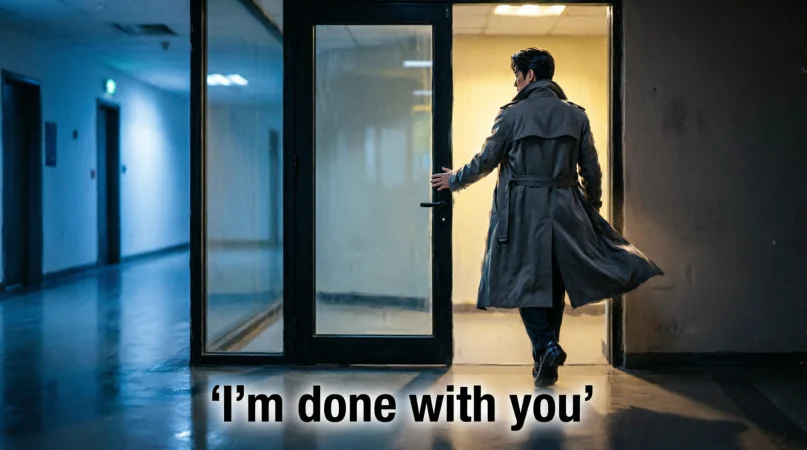
Hearing “I’m done with you” can feel like a door slamming shut, especially when it comes from someone you care about. Maybe it happens during a heated argument with your partner, in a friendship that has been falling apart, or through a dramatic text that leaves you staring at your phone like it just betrayed you. Whatever the situation, finding the right responses to I’m done with you can be surprisingly difficult.
Do you stay calm, fire back with a clever comeback, express your feelings, or simply walk away? The answer depends on what you want from the relationship and how the other person treats you. Sometimes, a little humor helps. Other times, a mature response says everything without another argument. This list gives you ready-to-send replies for different moods, from funny and confident to emotional, polite, and completely unbothered.
1. Funny Responses to “I’m Done With You”
Sometimes, a little humor can ease the tension or help you respond without taking the bait. Use these when the situation is not threatening and both people can appreciate a joke.
1. Finally, my free trial is over!
Example: When a friend dramatically announces they’re done after a minor disagreement.
Meaning: You turn the situation into a lighthearted joke.
2. Should I throw a goodbye party?
Example: When someone makes an exaggerated exit during a silly argument.
Meaning: You respond with playful sarcasm instead of panic.
3. Okay, don’t forget your emotional baggage.
Example: When a familiar argument starts becoming unnecessarily dramatic.
Meaning: You add humor while refusing to chase them.
4. Breaking news: We’re officially over.
Example: When your friend acts like a disagreement deserves a press conference.
Meaning: You poke fun at the dramatic announcement.
5. Can I get that in writing?
Example: When someone keeps threatening to leave but never follows through.
Meaning: You humorously question whether they mean it.
6. Noted. I’ll update my calendar.
Example: When you want a dry, funny response to an exaggerated statement.
Meaning: You make the announcement sound hilariously ordinary.
7. And just like that, the season finale arrives.
Example: When a relationship argument feels like the final episode of a show.
Meaning: You compare the drama to an entertaining TV moment.
8. Wait, do I still get the friendship benefits?
Example: When a close friend jokes about ending the friendship.
Meaning: You use playful humor to soften the moment.
9. I’ll alert the group chat.
Example: When a friend announces a dramatic breakup over something small.
Meaning: You exaggerate the situation for comic effect.
10. Well, that escalated quickly.
Example: When a small disagreement suddenly turns into a major argument.
Meaning: You point out how unexpectedly intense things became.
11. Should I clap, or is the performance still going?
Example: When someone is being theatrical during a minor disagreement.
Meaning: You use humor to call attention to the drama.
12. Okay, but who gets custody of the memes?
Example: When joking with a friend about ending your shared friendship era.
Meaning: You make a possible goodbye feel less serious.
2. Confident Responses to “I’m Done With You”
Confidence means respecting yourself without insulting the other person. These replies work when you want to maintain your dignity and avoid begging someone to stay.
1. I won’t force anyone to stay in my life.
Example: When someone says they’re leaving and you want to respect their choice.
Meaning: You show self-respect and emotional independence.
2. If that’s your decision, I’ll accept it.
Example: When a partner ends an argument by saying they’re finished with the relationship.
Meaning: You acknowledge their decision without chasing them.
3. I know my worth, with or without you.
Example: When someone expects you to plead for their attention.
Meaning: You affirm your value independently of the relationship.
4. I’m choosing my peace, too.
Example: When repeated arguments have become emotionally exhausting.
Meaning: You make your well-being a priority.
5. I deserve a relationship where we’re both willing to try.
Example: When a partner threatens to leave instead of resolving problems.
Meaning: You communicate your standards for a healthy relationship.
6. I can accept an ending without losing myself.
Example: When you want to express strength during a painful goodbye.
Meaning: You separate your identity from the relationship.
7. You have your choice, and I have mine.
Example: When someone assumes their decision should control your feelings.
Meaning: You establish mutual independence.
8. I’m not going to beg for basic respect.
Example: When an argument includes repeated disrespect or manipulation.
Meaning: You make it clear that respect is non-negotiable.
9. I know what I bring to the table.
Example: When someone makes you feel as though you’re easily replaceable.
Meaning: You remind yourself of your own strengths and value.
10. I’ll be okay, even if this is goodbye.
Example: When a relationship may genuinely be coming to an end.
Meaning: You express resilience without pretending it doesn’t hurt.
11. I’m ready to accept what you choose.
Example: When someone appears certain about ending the relationship.
Meaning: You show emotional maturity and acceptance.
12. I won’t compromise my dignity to keep someone.
Example: When you’re tempted to plead with someone who keeps threatening to leave.
Meaning: You choose self-respect over desperation.
3. Cold Responses to “I’m Done With You”
A cold response is short, controlled, and emotionally restrained. These replies work when you don’t want to argue, explain yourself repeatedly, or encourage more drama.
1. Okay.
Example: When you’ve heard enough and have nothing productive left to add.
Meaning: You acknowledge the statement without escalating the situation.
2. Understood.
Example: When someone makes a serious decision and you want to keep your reply neutral.
Meaning: You communicate that you’ve heard them.
3. That’s your decision.
Example: When someone expects you to change their mind.
Meaning: You leave responsibility for the choice with them.
4. I hear you.
Example: When you want to acknowledge their words without agreeing with everything they said.
Meaning: You show that you’ve listened without inviting another argument.
5. I won’t argue with you.
Example: When a conversation is becoming repetitive and unproductive.
Meaning: You refuse to continue a pointless conflict.
6. There’s nothing more to add.
Example: When you’ve already explained your position several times.
Meaning: You indicate that the discussion has reached its limit.
7. Let’s leave it here.
Example: When you want to end an argument before it gets worse.
Meaning: You establish a boundary around the conversation.
8. I respect your choice.
Example: When someone says they no longer want to continue a relationship.
Meaning: You accept their autonomy without pleading.
9. Message received.
Example: When replying to a blunt text that doesn’t require a long response.
Meaning: You acknowledge the message in a detached way.
10. I won’t change your mind for you.
Example: When someone appears determined to end the relationship.
Meaning: You recognize that their decision belongs to them.
11. Take care.
Example: When you want to end a difficult exchange politely but firmly.
Meaning: You offer a brief farewell without reopening the discussion.
12. I’ll respect the distance you want.
Example: When someone clearly asks to separate or stop communicating.
Meaning: You agree to give them space.
4. Emotional Responses to “I’m Done With You”
When you genuinely care about someone, pretending not to feel anything can make matters harder. These responses let you be honest without becoming confrontational.
1. That hurts more than you realize.
Example: When someone you deeply care about says they no longer want you in their life.
Meaning: You express the emotional impact of their words.
2. I didn’t want things to end this way.
Example: When a disagreement has pushed an important relationship toward its end.
Meaning: You communicate sadness about how things have unfolded.
3. I wish we could have talked before reaching this point.
Example: When a partner makes a final decision without discussing the problems first.
Meaning: You express a desire for communication and understanding.
4. You still matter to me, even if things have changed.
Example: When you want to acknowledge your feelings during a painful separation.
Meaning: You recognize that caring doesn’t automatically disappear.
5. I never wanted to become strangers.
Example: When someone you once shared everything with decides to walk away.
Meaning: You express grief about losing the connection.
6. I wish we had handled things differently.
Example: When both people have contributed to a difficult conflict.
Meaning: You acknowledge regret without assigning all the blame.
7. I care about you, but this hurts.
Example: When you still love someone whose words have caused you pain.
Meaning: You balance affection with emotional honesty.
8. I need a moment to process this.
Example: When the statement catches you off guard during an argument.
Meaning: You give yourself time before responding further.
9. I hoped we could work through this together.
Example: When you believed the relationship still had a chance.
Meaning: You communicate your disappointment and remaining hope.
10. I won’t pretend this doesn’t affect me.
Example: When you want to be vulnerable without begging someone to stay.
Meaning: You express your feelings honestly.
11. I respect your decision, even though it hurts.
Example: When you accept a breakup that you didn’t want.
Meaning: You combine emotional honesty with respect.
12. I hope we both find the peace we need.
Example: When you want to end a painful relationship without resentment.
Meaning: You wish both people well despite the sadness.
5. Mature Responses to “I’m Done With You”
A mature reply focuses on communication, accountability, and boundaries. Choose these when you want to handle a difficult moment with dignity.
1. Let’s talk when we’re both calmer.
Example: When someone says they’re done during a heated argument.
Meaning: You suggest revisiting the issue after emotions settle.
2. I respect your feelings, and I’d appreciate the same.
Example: When you want to acknowledge their frustration without accepting disrespect.
Meaning: You encourage mutual respect.
3. If you mean that seriously, let’s discuss it honestly.
Example: When you need to know whether someone genuinely wants to end the relationship.
Meaning: You seek clarity instead of reacting impulsively.
4. I don’t want to make decisions in anger.
Example: When both people are upset and the conversation feels final.
Meaning: You encourage thoughtful rather than impulsive choices.
5. I’m willing to listen if you want to explain.
Example: When you want to understand what led to their decision.
Meaning: You leave room for an honest conversation without demanding one.
6. We both deserve clarity about where we stand.
Example: When the relationship has become confusing or uncertain.
Meaning: You ask for an honest understanding of the situation.
7. I can acknowledge my mistakes without accepting all the blame.
Example: When a disagreement involves responsibility on both sides.
Meaning: You demonstrate accountability while maintaining fairness.
8. Let’s be honest about whether this relationship is working.
Example: When repeated conflicts suggest deeper relationship problems.
Meaning: You invite an open assessment of the relationship.
9. I don’t want us to hurt each other more.
Example: When an argument is becoming increasingly personal.
Meaning: You prioritize preventing further emotional damage.
10. Your feelings matter, and so do mine.
Example: When one person’s frustration is dominating the entire discussion.
Meaning: You emphasize that both perspectives deserve consideration.
11. If this is the end, let’s handle it respectfully.
Example: When reconciliation no longer seems likely.
Meaning: You ask for dignity even during separation.
12. I’ll respect your space while I reflect on everything.
Example: When someone needs distance after a difficult conversation.
Meaning: You allow room for reflection without abandoning your own needs.
6. Sarcastic Responses to “I’m Done With You”
Sarcasm adds a sharp edge to your reply. These lines are best for playful situations or when a firm comeback feels appropriate, rather than when someone is genuinely distressed.
1. And the award for dramatic exits goes to you.
Example: When a friend makes an exaggerated announcement during a minor disagreement.
Meaning: You poke fun at the theatrical delivery.
2. Should I pretend to be surprised?
Example: When someone repeatedly threatens to leave during arguments.
Meaning: You suggest that their announcement feels familiar.
3. Well, that was a very unexpected plot twist.
Example: When the conversation suddenly takes a dramatic turn.
Meaning: You use irony to highlight the unexpected moment.
4. I’ll try to recover from this shocking announcement.
Example: When you want a dry comeback to a clearly exaggerated statement.
Meaning: You humorously downplay the drama.
5. Is this the final episode, or is there a sequel?
Example: When the same argument keeps returning.
Meaning: You suggest that the situation has become repetitive.
6. Thanks for the official announcement.
Example: When someone delivers their decision as if making a public declaration.
Meaning: You respond with pointed, understated humor.
7. I’ll file that under things I didn’t expect today.
Example: When a sudden declaration catches you off guard.
Meaning: You use dry humor to respond to the surprise.
8. The exit speech was almost convincing.
Example: When someone has a habit of making dramatic departures.
Meaning: You question the seriousness of their announcement.
9. Should we get a soundtrack for this moment?
Example: When an ordinary disagreement becomes theatrical.
Meaning: You compare the situation to a dramatic movie scene.
10. Well, someone woke up ready for a finale.
Example: When a friend turns a minor disagreement into a dramatic goodbye.
Meaning: You tease them about their dramatic mood.
11. I’ll give that speech a solid seven out of ten.
Example: When you and a friend normally joke around during disagreements.
Meaning: You turn the announcement into a mock performance review.
12. Okay, Shakespeare, I hear you.
Example: When someone delivers an emotional speech during a relatively small argument.
Meaning: You use a literary reference to tease their dramatic expression.
7. Polite Responses to “I’m Done With You”
Politeness can help you end a difficult exchange without adding unnecessary tension. These replies are suitable for acquaintances, friends, partners, or anyone whose decision you want to respect.
1. I understand. I wish you well.
Example: When someone makes it clear they no longer want to continue the relationship.
Meaning: You accept their decision and offer a respectful goodbye.
2. Thank you for being honest with me.
Example: When someone directly explains that they want to end things.
Meaning: You acknowledge their honesty even if the news is painful.
3. I respect how you feel.
Example: When someone expresses frustration and asks for distance.
Meaning: You recognize their feelings without necessarily agreeing with their conclusions.
4. I hope things work out for you.
Example: When you want to end a relationship on civil terms.
Meaning: You express goodwill rather than resentment.
5. I appreciate the time we’ve shared.
Example: When saying goodbye to someone who has been important in your life.
Meaning: You acknowledge the value of the relationship.
6. I’ll respect your wishes.
Example: When someone asks you to stop contacting them.
Meaning: You agree to honor their boundaries.
7. I wish things had turned out differently.
Example: When a relationship ends despite your hopes for it.
Meaning: You express regret without placing blame.
8. Thank you for letting me know where you stand.
Example: When you finally receive a clear answer about the relationship.
Meaning: You appreciate the clarity.
9. I hope we can part on good terms.
Example: When you want to avoid hostility after a disagreement.
Meaning: You encourage a respectful ending.
10. I won’t pressure you to change your mind.
Example: When someone has made a firm decision about the relationship.
Meaning: You respect their autonomy.
11. I understand that you need a different path.
Example: When someone decides that continuing the relationship is not right for them.
Meaning: You acknowledge that your needs may no longer align.
12. Take care of yourself.
Example: When ending a difficult conversation with kindness.
Meaning: You offer a simple, considerate farewell.
8. Short and Direct Responses to “I’m Done With You”
Sometimes, less really is more. These brief replies are useful for texts, DMs, and moments when a longer explanation would only prolong the argument.
1. I understand.
Example: When you want to acknowledge their statement without starting another debate.
Meaning: You confirm that you’ve heard them.
2. Your choice.
Example: When someone announces a decision you cannot make for them.
Meaning: You leave the decision in their hands.
3. I respect that.
Example: When someone clearly communicates that they want to end things.
Meaning: You recognize their right to decide.
4. That’s clear.
Example: When you no longer need further explanation.
Meaning: You acknowledge that their position is understood.
5. I won’t argue.
Example: When the conversation has become repetitive.
Meaning: You refuse to continue the conflict.
6. Okay, take care.
Example: When you want to end a text exchange politely.
Meaning: You acknowledge the statement and close the conversation.
7. I hear you.
Example: When someone expresses frustration and you want to keep your response neutral.
Meaning: You acknowledge their message.
8. Let’s leave it there.
Example: When continuing the conversation would only make matters worse.
Meaning: You suggest ending the discussion.
9. I won’t force it.
Example: When a relationship seems to be ending against your wishes.
Meaning: You refuse to pressure someone into staying.
10. Understood, completely.
Example: When you want to communicate that their position is unmistakable.
Meaning: You confirm your understanding.
11. I’ll respect your decision.
Example: When you want to acknowledge a breakup without debating it.
Meaning: You show acceptance and restraint.
12. Goodbye, then.
Example: When both people have agreed that the relationship should end.
Meaning: You bring the exchange to a clear close.
9. Responses to “I’m Done With You” From Your Partner
When a romantic partner says this, the words can signal temporary frustration or a genuine desire to separate. Choose a response that fits the circumstances rather than assuming either interpretation.
1. Do you mean that, or are you speaking out of anger?
Example: When your partner says it during a heated disagreement.
Meaning: You seek clarity about their intentions.
2. I care about us, but I can’t fix this alone.
Example: When you’ve been trying to resolve relationship problems without enough effort from your partner.
Meaning: You express commitment while emphasizing shared responsibility.
3. If something is broken between us, let’s talk about it.
Example: When you want to understand the deeper issue behind the argument.
Meaning: You invite an honest discussion.
4. I don’t want to lose us, but I won’t force you to stay.
Example: When you still want the relationship but recognize your partner’s freedom to leave.
Meaning: You combine vulnerability with respect.
5. We deserve an honest conversation about our future.
Example: When repeated arguments have left the relationship uncertain.
Meaning: You ask for clarity about what comes next.
6. I wish we could find a healthier way through this.
Example: When the same conflicts keep damaging your relationship.
Meaning: You express hope for constructive change.
7. I love you, but I need respect, too.
Example: When you care deeply but feel your boundaries are being ignored.
Meaning: You affirm your love without dismissing your own needs.
8. Let’s not make a permanent decision in a temporary moment.
Example: When emotions are high and neither person seems ready for a calm discussion.
Meaning: You encourage patience before making a major decision.
9. If you’re serious, I need you to be honest with me.
Example: When you suspect your partner may genuinely want to break up.
Meaning: You ask for direct and sincere communication.
10. I want mutual effort, not another cycle of threats.
Example: When your partner repeatedly threatens to leave during disagreements.
Meaning: You establish a boundary around unhealthy conflict patterns.
11. I can’t promise perfection, but I can promise honesty.
Example: When both partners are discussing what needs to change.
Meaning: You offer realistic commitment rather than impossible guarantees.
12. Whatever happens, I want us to treat each other with kindness.
Example: When a serious conversation may lead to reconciliation or separation.
Meaning: You prioritize compassion regardless of the outcome.
10. Responses to “I’m Done With You” From a Friend
Friendship conflicts can hurt just as much as romantic breakups. These replies help you address misunderstandings, protect your feelings, and decide whether reconciliation is possible.
1. I value our friendship, but I won’t force it.
Example: When a close friend says they no longer want to be friends.
Meaning: You express care while respecting their choice.
2. Can we talk about what actually went wrong?
Example: When a disagreement has escalated before either person explained their feelings.
Meaning: You seek understanding instead of assumptions.
3. I never wanted us to reach this point.
Example: When a friendship has become strained after repeated misunderstandings.
Meaning: You express sadness about the distance between you.
4. If I hurt you, I’m willing to listen.
Example: When you suspect your friend is upset about something you did.
Meaning: You show openness to accountability.
5. A real friendship deserves an honest conversation.
Example: When you believe the friendship may be worth repairing.
Meaning: You encourage direct communication.
6. I won’t chase you, but I won’t deny that I care.
Example: When you want to acknowledge your feelings without pressuring your friend.
Meaning: You balance affection with self-respect.
7. We’ve shared too much for me to pretend this means nothing.
Example: When a longtime friendship is suddenly at risk.
Meaning: You acknowledge the history and significance of the bond.
8. I hope this isn’t how our story ends.
Example: When you still hope the friendship can recover.
Meaning: You express hope without demanding reconciliation.
9. I’ll give you space if that’s what you need.
Example: When your friend needs time away after an argument.
Meaning: You respect their need for distance.
10. I can accept disagreement, but losing you hurts.
Example: When a conflict feels bigger than the issue that caused it.
Meaning: You communicate the emotional importance of the friendship.
11. Let’s not let assumptions decide everything.
Example: When gossip or a misunderstanding has caused tension.
Meaning: You encourage clarification before making a final decision.
12. I’ll always appreciate the good memories we made.
Example: When the friendship appears to be ending despite your efforts.
Meaning: You acknowledge the value of the relationship, even if it cannot continue.
11. Flirty Responses to “I’m Done With You”
Flirty replies can work when the phrase is clearly playful and both people are comfortable teasing each other. Avoid flirting when someone is genuinely ending the relationship or asking for distance.
1. You say that now, but you’ll miss my smile.
Example: When your crush jokingly pretends to be fed up with you.
Meaning: You respond with playful confidence.
2. Already giving up on your favorite person?
Example: When you and your crush have a teasing, affectionate dynamic.
Meaning: You invite a playful reaction.
3. And here I thought we had chemistry.
Example: When someone jokingly announces they’re done during flirtatious banter.
Meaning: You turn the statement into a romantic joke.
4. Who said you could quit our little love story?
Example: When both of you are comfortable joking about being a couple.
Meaning: You playfully suggest that the connection is not finished.
5. I’ll miss being your favorite distraction.
Example: When someone often messages you while pretending to complain about your attention.
Meaning: You tease them about your flirtatious connection.
6. That’s a bold move for someone who likes me.
Example: When your crush jokingly threatens to stop talking to you.
Meaning: You express confidence about the mutual attraction.
7. Can we at least finish our flirting first?
Example: When the statement is clearly part of mutual teasing.
Meaning: You keep the exchange light and flirtatious.
8. You can’t just cancel this much charm.
Example: When you want a cheeky response to playful rejection.
Meaning: You jokingly celebrate your own appeal.
9. I’ll let you reconsider over coffee.
Example: When the conversation is playful and you’d like to suggest a date.
Meaning: You offer a lighthearted invitation.
10. Guess you’ll have to miss me dramatically.
Example: When you and your crush enjoy exaggerated romantic jokes.
Meaning: You tease them about missing your company.
11. That sounds like a challenge, not a goodbye.
Example: When your crush is clearly joking rather than ending contact.
Meaning: You playfully question the seriousness of their words.
12. Fine, but I’m keeping the butterflies.
Example: When you want a cute, romantic line during mutual flirting.
Meaning: You express affection through a playful image.
12. Responses to “I’m Done With You” When You’re Hurt
Sometimes, the strongest response is an honest one. These lines are useful when you want to explain how the other person’s words affect you without insulting them.
1. I didn’t expect you to give up on us so easily.
Example: When someone ends a relationship before attempting to resolve the issue.
Meaning: You express disappointment about their decision.
2. Your words hurt, even if you didn’t mean them to.
Example: When an argument includes a painful statement that stays with you afterward.
Meaning: You explain the emotional effect of their words.
3. I wish you’d told me what was wrong sooner.
Example: When a relationship ends without much prior discussion.
Meaning: You express regret about the lack of communication.
4. I deserved a conversation, not just an announcement.
Example: When someone abruptly ends a relationship without explaining their concerns.
Meaning: You communicate that the way they handled things was painful.
5. I can’t pretend I’m okay with losing you.
Example: When you feel devastated by a breakup.
Meaning: You allow yourself to acknowledge the loss honestly.
6. I kept hoping we’d figure things out.
Example: When you believed the relationship could survive its difficulties.
Meaning: You express sadness about your unmet hopes.
7. I wish my feelings were easier to switch off.
Example: When you still care about someone who has decided to leave.
Meaning: You describe the difficulty of letting go.
8. I need time to accept what you’re saying.
Example: When a sudden breakup leaves you emotionally overwhelmed.
Meaning: You ask for time to process the situation.
9. I gave this relationship my honest effort.
Example: When you feel you’ve tried sincerely to make things work.
Meaning: You acknowledge your own contribution without demanding praise.
10. I won’t hide my hurt just to look strong.
Example: When you want to be honest instead of pretending not to care.
Meaning: You reject the idea that strength requires emotional silence.
11. I wish things had been different between us.
Example: When a relationship ends despite genuine affection.
Meaning: You express sadness without attacking the other person.
12. I’ll heal, but I won’t pretend this meant nothing.
Example: When you want to acknowledge both your pain and your ability to move forward.
Meaning: You recognize the relationship’s importance while accepting the need to heal.
13. Clever Responses to “I’m Done With You”
Clever replies use wordplay, logic, or a fresh perspective to make your point. They work best when you want to sound composed rather than aggressive.
1. Every ending deserves an honest explanation.
Example: When someone abruptly ends a meaningful relationship.
Meaning: You emphasize the importance of clear communication.
2. If we’re finished, let’s at least be clear.
Example: When you need a direct answer about where the relationship stands.
Meaning: You ask for certainty instead of mixed signals.
3. A decision doesn’t need to become a battle.
Example: When someone tries to turn a breakup into another argument.
Meaning: You encourage a peaceful resolution.
4. You can close the door without slamming it.
Example: When someone wants to end the relationship in anger.
Meaning: You suggest that endings can be handled respectfully.
5. I’m not here to win an argument or lose myself.
Example: When the conversation has become a contest over who cares less.
Meaning: You prioritize self-respect over winning.
6. Clarity is kinder than keeping someone guessing.
Example: When a person alternates between leaving and returning.
Meaning: You advocate for honest intentions.
7. An ending can be painful without being cruel.
Example: When a relationship is ending and emotions are running high.
Meaning: You remind the other person that kindness still matters.
8. We can disagree without rewriting our entire history.
Example: When one argument leads someone to dismiss everything good about the relationship.
Meaning: You separate a current conflict from the relationship’s full history.
9. Walking away is a choice, not a competition.
Example: When someone expects you to prove how much you want them to stay.
Meaning: You reject relationship power games.
10. I won’t confuse persistence with mutual effort.
Example: When you realize that only one person is trying to repair the relationship.
Meaning: You distinguish commitment from one-sided effort.
11. The truth is better than another temporary goodbye.
Example: When someone repeatedly threatens to leave during arguments.
Meaning: You ask for a sincere decision rather than a dramatic threat.
12. Respect can remain, even when a relationship doesn’t.
Example: When you want to end a connection without creating unnecessary hostility.
Meaning: You separate the end of a relationship from the need for mutual respect.
14. Responses to “I’m Done With You” at Work or in Formal Situations
When the statement comes from a colleague, supervisor, client, or professional contact, keep your reply neutral and focused on the issue. Avoid sarcasm or personal comments that could worsen the working relationship.
1. I understand your position.
Example: When a colleague expresses frustration during a disagreement.
Meaning: You acknowledge their perspective professionally.
2. Let’s focus on resolving the issue.
Example: When a work discussion is becoming emotional rather than productive.
Meaning: You redirect attention toward a practical solution.
3. I’d prefer to keep this conversation constructive.
Example: When a professional disagreement becomes personal.
Meaning: You establish a respectful communication standard.
4. Could you clarify what you’d like to happen next?
Example: When a client or colleague makes an unclear statement about ending a working arrangement.
Meaning: You request specific next steps.
5. I respect your decision and will proceed accordingly.
Example: When a client decides not to continue a project.
Meaning: You acknowledge their choice and maintain professionalism.
6. Let’s discuss the concerns before making a final decision.
Example: When a colleague wants to abandon a project after a disagreement.
Meaning: You encourage reasoned discussion before concluding the matter.
7. I appreciate the feedback and will consider it.
Example: When the statement follows criticism of your work.
Meaning: You respond calmly without becoming defensive.
8. I think we should revisit this when emotions have settled.
Example: When a workplace discussion has become heated.
Meaning: You suggest a calmer time to continue.
9. I’ll respect your boundaries and keep communication professional.
Example: When a colleague requests distance after a personal disagreement.
Meaning: You acknowledge the boundary and maintain workplace standards.
10. Please let me know if there are specific concerns I should address.
Example: When a supervisor appears dissatisfied but has not explained why.
Meaning: You invite actionable feedback.
11. Let’s agree on the next steps in writing.
Example: When a professional arrangement may be ending.
Meaning: You encourage clarity and documentation.
12. Thank you for clarifying your position.
Example: When a client or colleague makes a final decision about collaboration.
Meaning: You close the exchange courteously.
15. Final Goodbye Responses to “I’m Done With You”
When a relationship has genuinely reached its end, you may want a final message that communicates acceptance, closure, and self-respect.
1. I wish you happiness, even if it’s no longer with me.
Example: When you accept that a romantic relationship has ended.
Meaning: You express goodwill while acknowledging the separation.
2. Thank you for the memories. I’ll carry the lessons forward.
Example: When saying goodbye after a meaningful chapter of your life.
Meaning: You appreciate the past while preparing for the future.
3. I’m letting go of what we can no longer repair.
Example: When repeated attempts to resolve the relationship have failed.
Meaning: You acknowledge the need to move on.
4. I hope life brings us both the peace we need.
Example: When you want a compassionate farewell after a difficult breakup.
Meaning: You wish both people well.
5. Our chapter may be ending, but my life continues.
Example: When you want to acknowledge an ending without losing hope.
Meaning: You remind yourself that life continues beyond the relationship.
6. I’ll remember the good without ignoring the difficult.
Example: When a relationship contained both happy memories and painful experiences.
Meaning: You accept a balanced view of the past.
7. I forgive what I can and release what I cannot change.
Example: When you want emotional closure after a painful experience.
Meaning: You focus on healing rather than controlling the past.
8. I hope we both become better from this experience.
Example: When you want to leave a difficult relationship with a constructive outlook.
Meaning: You see the experience as an opportunity for growth.
9. I won’t keep reopening a door we’ve decided to close.
Example: When both people have agreed to end the relationship.
Meaning: You commit to respecting the ending.
10. Goodbye, and thank you for being part of my story.
Example: When you want to honor a relationship that once mattered deeply.
Meaning: You combine gratitude with closure.
11. I choose to move forward with peace, not bitterness.
Example: When you want to avoid carrying resentment into the next stage of your life.
Meaning: You prioritize emotional healing.
12. This is goodbye, but it isn’t the end of my happiness.
Example: When you need a hopeful reminder after a breakup or friendship ending.
Meaning: You recognize that a painful ending does not define your future.
FAQs About Responses to “I’m Done With You”
What does “I’m done with you” mean?
It usually means someone wants to end a relationship, stop an argument, or create distance.
Is “I’m done with you” always a breakup?
No. It can express temporary frustration or a serious decision to end the relationship.
What should I say if my partner says “I’m done with you”?
Ask calmly whether they mean it, and explain that you want an honest conversation.
What if I still love the person?
Be honest about your feelings without pressuring them to stay.
How do I respond without sounding desperate?
Acknowledge their choice calmly and avoid begging for attention or affection.
Can “I’m done with you” be flirty?
Sometimes, if it’s clearly playful teasing between people who share that kind of humor.
What should I say if I don’t mean it?
Say, “I’m upset, but I don’t want to end things. Can we talk calmly?”
Is humor appropriate when someone says this?
Only if the situation is lighthearted and the other person is comfortable with joking.
How should I respond in a professional setting?
Stay neutral, ask for clarification, and focus on the next steps.
Should I text someone after they say this?
If they request no contact, respect that boundary and avoid repeated messages.
Conclusion
When someone says “I’m done with you,” you don’t have to find the perfect comeback in a split second. Sometimes a funny reply lightens the mood, a confident response protects your self-respect, and an honest message gives a meaningful relationship one last chance at understanding. The key is choosing words that match the situation rather than reacting out of anger or fear.
You can care about someone without begging them to stay, and you can accept an ending without pretending it doesn’t hurt. Save this list for those moments when words escape you, share it with a friend who needs a little confidence, and remember: your response should reflect your values, not just their attitude