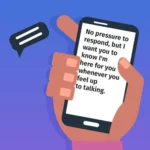
The best responses to “How can I ever repay you?” show appreciation, keep things light, or make the other person smile. Whether you’re texting a friend, replying to a coworker, or flirting with your crush, choose a response that matches your relationship.
Someone just thanked you for going the extra mile, helping them through a difficult day, or saving them from a last-minute disaster. Now they’re asking, “How can I ever repay you?” And suddenly, you’re the one who doesn’t know what to say!
Whether you’re replying to a friend’s text, a coworker’s message, a heartfelt DM, or a flirty message from your crush, the right response can make the moment even better. You could be humble, funny, sweet, sarcastic, or a little charming, depending on the situation.
1. Funny Responses to “How Can I Ever Repay You?”
When someone offers to repay your kindness, a funny reply can turn an ordinary thank-you into a memorable moment. These responses work especially well with friends who appreciate your sense of humor.
1. Buy me pizza, and we’re even.
Example: Use this after helping a friend move furniture or finish an assignment.
Meaning: You want a casual treat instead of anything serious.
2. One million dollars should cover it.
Example: Send this when your friend dramatically thanks you for a small favor.
Meaning: You’re exaggerating the value of your help for a laugh.
3. Name your firstborn after me.
Example: Use this jokingly after doing your friend a huge favor.
Meaning: You’re pretending your kindness deserves a legendary reward.
4. A lifetime supply of snacks sounds fair.
Example: Reply with this after sharing your last packet of chips.
Meaning: You’d happily accept food as repayment.
5. Just remember me when you’re famous.
Example: Use this when helping an ambitious friend with a project.
Meaning: You’re playfully imagining their future success.
6. I’ll accept payment in chocolate.
Example: Send this after helping someone through a stressful day.
Meaning: A sweet treat would be a welcome thank-you.
7. You can start by doing my laundry.
Example: Use this with a close friend who owes you a favor.
Meaning: You’re jokingly assigning them an everyday chore.
8. A yacht would be nice, actually.
Example: Reply this way when someone asks how to repay a minor favor.
Meaning: You’re making an absurd request for comedic effect.
9. I’ll send you an invoice shortly.
Example: Use this after fixing a friend’s phone or computer.
Meaning: You’re pretending your helpfulness comes with a professional fee.
2. Sweet Responses to “How Can I Ever Repay You?”
Sometimes, you genuinely want the other person to know that your kindness wasn’t a transaction. These warm responses are perfect for friends, family members, and people you care about.
1. You don’t owe me a thing.
Example: Use this when someone feels guilty about accepting your help.
Meaning: You helped because you wanted to, not because you expected repayment.
2. Seeing you happy is enough.
Example: Send this after helping someone overcome a difficult situation.
Meaning: Their happiness is your biggest reward.
3. Just keep being yourself.
Example: Use this when a close friend thanks you for supporting them.
Meaning: You appreciate them for who they are.
4. Your smile is more than enough.
Example: Say this after doing something thoughtful for someone special.
Meaning: Their happiness makes your effort worthwhile.
5. You’d do the same for me.
Example: Use this when a friend feels indebted to you.
Meaning: You believe your relationship is built on mutual care.
6. Consider it a little act of love.
Example: Send this to a family member after helping them.
Meaning: Your kindness comes from affection rather than obligation.
7. Just promise to take care of yourself.
Example: Use this when supporting someone going through a hard time.
Meaning: Their well-being matters more to you than repayment.
8. Knowing I could help means everything.
Example: Reply after someone thanks you for being there during a crisis.
Meaning: You’re grateful you had the opportunity to support them.
9. Kindness doesn’t need a price tag.
Example: Use this when someone insists on compensating you.
Meaning: You believe genuine kindness should be freely given.
10. Just pass the kindness along.
Example: Send this after helping someone who wants to return the favor.
Meaning: You encourage them to help another person in the future.
3. Flirty Responses to “How Can I Ever Repay You?”
If your crush or partner asks this question, you can turn the moment into an opportunity to flirt. Keep the reply playful enough to feel natural and sweet enough to show interest.
1. Take me on a date, and we’ll call it even.
Example: Send this to someone you’re interested in after helping them.
Meaning: You’re using the favor as a playful excuse to spend time together.
2. One coffee date with you sounds perfect.
Example: Use this when your crush offers to return a favor.
Meaning: You’d enjoy spending some one-on-one time together.
3. Maybe a hug would do the trick.
Example: Send this to someone you’re already comfortable being affectionate with.
Meaning: You’re suggesting a warm, slightly flirty gesture.
4. Keep looking that cute, and we’re even.
Example: Use this when your crush thanks you with a smile.
Meaning: You’re complimenting their appearance in a playful way.
5. You could start by stealing my heart.
Example: Send this to someone who enjoys romantic teasing.
Meaning: You’re expressing attraction through a lighthearted romantic line.
6. Dinner with you sounds like fair payment.
Example: Use this after helping someone you’re hoping to date.
Meaning: You’re hinting that you’d like to share a meal together.
7. I might have a few ideas.
Example: Send this when the conversation already has a flirty tone.
Meaning: You’re creating playful suspense about what you’d like in return.
8. Just keep making me smile.
Example: Use this with a person who regularly brightens your day.
Meaning: Their attention and happiness mean a lot to you.
9. Your time is all I need.
Example: Reply when someone special asks how to thank you.
Meaning: You value spending time with them more than receiving a gift.
4. Polite Responses to “How Can I Ever Repay You?”
When someone genuinely appreciates your help, a polite answer can reassure them without making the situation awkward. These replies work for acquaintances, neighbors, friends, and people you don’t know very well.
1. Please don’t worry about it.
Example: Use this when someone apologizes for needing your assistance.
Meaning: You want them to feel comfortable accepting your help.
2. I’m happy I could help.
Example: Reply after assisting a neighbor with an everyday problem.
Meaning: You’re expressing satisfaction without expecting anything back.
3. There’s really no need to repay me.
Example: Use this when someone offers you a gift for a small favor.
Meaning: You want to make it clear that repayment isn’t necessary.
4. It was my pleasure.
Example: Say this after helping someone with an important task.
Meaning: You were glad to be of assistance.
5. I’m just glad everything worked out.
Example: Use this after helping someone resolve a stressful issue.
Meaning: The positive outcome matters more than compensation.
6. Don’t give it another thought.
Example: Reply when someone keeps thanking you for a minor favor.
Meaning: You want them to stop worrying about owing you.
7. I’m always happy to lend a hand.
Example: Use this with someone you know through your community.
Meaning: You’re willing to help when you reasonably can.
8. Your appreciation is more than enough.
Example: Say this when someone insists that a thank-you isn’t sufficient.
Meaning: Their gratitude is a satisfactory response.
9. It was the least I could do.
Example: Use this when supporting someone you care about.
Meaning: You feel helping them was a natural thing to do.
10. I’m glad I was able to make a difference.
Example: Reply after helping someone solve a meaningful problem.
Meaning: You’re pleased that your assistance had a positive effect.
5. Professional Responses to “How Can I Ever Repay You?”
In the workplace, the best answer sounds gracious and confident without becoming overly personal. These replies are suitable for colleagues, managers, clients, and professional contacts.
1. I’m glad I could support the team.
Example: Use this after helping a colleague meet a project deadline.
Meaning: You see your contribution as part of teamwork.
2. No repayment is necessary.
Example: Reply when a colleague offers a gift for your assistance.
Meaning: You’re politely declining compensation or a return favor.
3. Happy to help whenever I can.
Example: Use this after answering a coworker’s work-related question.
Meaning: You’re approachable and willing to offer reasonable support.
4. I’m pleased we could get it done together.
Example: Say this after completing a challenging assignment with a teammate.
Meaning: You value collaboration and shared success.
5. Your acknowledgment is appreciated.
Example: Use this in a formal email after receiving thanks.
Meaning: You recognize their gratitude professionally.
6. I’m glad the support was useful.
Example: Reply after assisting a colleague with a presentation.
Meaning: You’re pleased that your contribution helped.
7. That’s what colleagues are here for.
Example: Use this with a coworker after a routine favor.
Meaning: You believe colleagues should support one another.
8. Please consider it part of our teamwork.
Example: Say this after helping another department meet a deadline.
Meaning: You view the assistance as a shared professional responsibility.
9. I’m happy to contribute where needed.
Example: Use this after taking on an additional work task.
Meaning: You want to communicate a cooperative attitude.
10. Your success is a great outcome for all of us.
Example: Reply after helping a teammate achieve an important goal.
Meaning: You appreciate outcomes that benefit the wider team.
6. Sarcastic Responses to “How Can I Ever Repay You?”
A little sarcasm can be hilarious when the other person understands your humor. Use these replies with people who enjoy playful teasing, rather than in serious or sensitive situations.
1. I’ll add it to your imaginary debt account.
Example: Use this when a friend repeatedly thanks you for small favors.
Meaning: You’re joking that they owe you, without making a serious demand.
2. I’ll accept payment in lifelong admiration.
Example: Send this after helping a friend solve an easy problem.
Meaning: You’re playfully demanding exaggerated appreciation.
3. Don’t worry, I have excellent record-keeping skills.
Example: Use this when a friend jokes about owing you a favor.
Meaning: You’re pretending to keep track of every favor.
4. Your gratitude has been received and processed.
Example: Reply to a dramatic thank-you message.
Meaning: You’re treating a casual interaction like official paperwork.
5. I’ll get back to you after consulting my lawyers.
Example: Use this when someone asks how to repay your help.
Meaning: You’re pretending a simple favor requires legal advice.
6. A statue in my honor would be acceptable.
Example: Send this after doing something particularly helpful for a friend.
Meaning: You’re exaggerating your importance for comic effect.
7. I’ll settle for your eternal appreciation.
Example: Use this when a friend won’t stop thanking you.
Meaning: You’re humorously asking for endless recognition.
8. Please direct all payments to my snack department.
Example: Reply after helping someone with a last-minute task.
Meaning: You’re jokingly requesting snacks as compensation.
9. Your firstborn’s inheritance should cover it.
Example: Use this with a close friend who loves over-the-top jokes.
Meaning: You’re exaggerating how valuable your favor was.
10. I’ll allow you to sing my praises publicly.
Example: Send this after helping a friend get out of trouble.
Meaning: You’re playfully requesting public recognition.
7. Cute Responses to “How Can I Ever Repay You?”
Cute replies are ideal for close friends, siblings, partners, and anyone who appreciates a little extra warmth. They’re affectionate without being too intense.
1. Just give me a big smile.
Example: Use this after cheering up a friend who’s having a rough day.
Meaning: Their happiness is all the reward you want.
2. A tiny thank-you hug will do.
Example: Say this to someone you’re comfortable hugging.
Meaning: You’d appreciate a little affection.
3. Keep being your adorable self.
Example: Send this to a close friend after helping them.
Meaning: You appreciate their personality and presence.
4. I’ll take one happy dance, please.
Example: Use this after helping a friend achieve a small win.
Meaning: You want a fun celebration instead of repayment.
5. You can share your fries with me.
Example: Reply after a friend thanks you for covering their lunch.
Meaning: You’re suggesting a cute and casual way to return the favor.
6. Just save me the last cookie.
Example: Use this when someone offers to thank you with a treat.
Meaning: A small, thoughtful gesture would make you happy.
7. A little appreciation goes a long way.
Example: Say this when someone feels they need to do something big.
Meaning: Small expressions of gratitude are enough.
8. Keep spreading those good vibes.
Example: Send this after helping a cheerful friend.
Meaning: You want them to continue bringing positivity to others.
9. You can owe me a friendship bracelet.
Example: Use this with a friend who enjoys handmade gifts.
Meaning: You’d appreciate a sentimental token of friendship.
10. Just promise me more fun memories.
Example: Say this after a friend thanks you for being there.
Meaning: You value your shared experiences.
8. Confident Responses to “How Can I Ever Repay You?”
Confidence helps you accept appreciation without downplaying your effort or making the other person uncomfortable. These replies are direct, self-assured, and easy to use.
1. Just remember this favor when I need one.
Example: Use this with a friend who genuinely wants to return your help.
Meaning: You appreciate mutual support.
2. We’re good. No debt between us.
Example: Reply when someone worries about owing you.
Meaning: You want to keep the relationship free from unnecessary obligations.
3. I helped because I wanted to.
Example: Use this when someone asks why you helped them.
Meaning: Your decision came from your own willingness.
4. Your thanks are enough for me.
Example: Say this when someone offers more than you expected.
Meaning: You feel adequately appreciated.
5. No need to make a big deal out of it.
Example: Use this after a friend praises you for a practical favor.
Meaning: You’re comfortable helping without seeking attention.
6. We’ll call it even.
Example: Reply when someone insists that the favor must be repaid.
Meaning: You consider the matter settled.
7. Just pay it forward when you can.
Example: Use this when someone asks how to return your kindness.
Meaning: You encourage them to help someone else.
8. I know you’d do the same for me.
Example: Say this to a trusted friend after helping them.
Meaning: You believe your relationship is based on mutual care.
9. Consider it handled.
Example: Use this after resolving a problem for a colleague or friend.
Meaning: You’re reassuring them that the issue is taken care of.
10. I’m happy with the outcome.
Example: Reply after helping someone achieve an important goal.
Meaning: You don’t need an additional reward.
9. Emotional Responses to “How Can I Ever Repay You?”
When your help means something deeper, a thoughtful response can reassure the other person and strengthen your connection. These lines suit difficult moments, meaningful friendships, and heartfelt conversations.
1. You don’t have to earn my kindness.
Example: Use this when someone feels undeserving of your support.
Meaning: You care about them without expecting them to prove their worth.
2. I’m just grateful I could be there for you.
Example: Say this after supporting someone through a painful experience.
Meaning: Being present for them was meaningful to you.
3. You matter more than any repayment.
Example: Use this with someone who is feeling guilty about needing help.
Meaning: Their value to you exceeds any favor.
4. I hope someone does the same for you someday.
Example: Reply when someone wants to repay a generous act.
Meaning: You hope they experience the same kindness.
5. You never have to face everything alone.
Example: Use this when reassuring someone who has been struggling.
Meaning: You want them to know support is available.
6. Your trust means a lot to me.
Example: Say this after someone thanks you for handling a sensitive matter.
Meaning: You value the confidence they’ve placed in you.
7. I’m glad you let me help.
Example: Use this when someone has finally accepted support after struggling alone.
Meaning: You’re happy they allowed you to be there for them.
8. Sometimes being there is enough.
Example: Reply after offering emotional support to a friend.
Meaning: You believe presence can matter more than material gifts.
9. I hope you remember you’re worth helping.
Example: Use this with someone who struggles to accept kindness.
Meaning: You want them to recognize their own worth.
10. Chill and Casual Responses to “How Can I Ever Repay You?”
Not every thank-you needs a heartfelt speech. If you want something effortless and relaxed, these casual replies keep the mood comfortable.
1. You’re good, don’t worry.
Example: Use this when a friend offers to repay a small favor.
Meaning: You don’t think repayment is necessary.
2. No biggie!
Example: Send this after helping someone with a simple task.
Meaning: You consider the favor no trouble at all.
3. All good, my friend.
Example: Reply to a casual thank-you message.
Meaning: You’re reassuring them that everything is fine.
4. Just get me next time.
Example: Use this when a friend offers to buy you lunch.
Meaning: You’d be happy to let them return the favor later.
5. It’s nothing, really.
Example: Say this after doing something small for a colleague.
Meaning: You don’t want them to feel indebted.
6. We’re cool.
Example: Use this when someone worries they owe you.
Meaning: You consider the matter settled.
7. Don’t sweat it.
Example: Reply after helping someone fix a minor problem.
Meaning: You’re telling them not to stress about repayment.
8. Just enjoy the win.
Example: Use this after helping a friend succeed at something.
Meaning: You want them to focus on the positive outcome.
9. You can grab the next coffee.
Example: Send this after paying for a friend’s drink.
Meaning: You’re suggesting an easy way to share the cost next time.
10. We’re even, buddy.
Example: Use this with a friend who appreciates straightforward replies.
Meaning: You consider the favor settled.
11. No worries at all.
Example: Reply to someone who thanks you for being flexible.
Meaning: You’re communicating that there is no problem.
12. Just keep me in the loop.
Example: Use this after helping a friend with a plan or project.
Meaning: You’d appreciate being kept updated.
11. Creative Responses to “How Can I Ever Repay You?”
Want something more original than “You’re welcome”? These imaginative replies add personality to your message while keeping the meaning clear.
1. Your gratitude has officially paid the bill.
Example: Use this when a friend insists that thanks aren’t enough.
Meaning: You’re creatively declaring that their appreciation is sufficient.
2. One good deed deserves another.
Example: Reply after helping someone who wants to return your kindness.
Meaning: You believe kindness can keep moving between people.
3. Add one favor to the friendship vault.
Example: Use this with a friend who likes playful expressions.
Meaning: You’re jokingly recording the favor as part of your friendship.
4. Consider your kindness credit restored.
Example: Send this after a friend does something thoughtful for you.
Meaning: You’re presenting the exchange as a balanced relationship.
5. Your next act of kindness is my reward.
Example: Use this when encouraging someone to help another person.
Meaning: You want your kindness to inspire further good deeds.
6. I’ll accept a five-minute victory parade.
Example: Reply after solving a friend’s difficult problem.
Meaning: You’re humorously requesting an over-the-top celebration.
7. A heartfelt thank-you is legal tender here.
Example: Use this when someone insists on paying you back.
Meaning: You value sincere gratitude more than money.
8. Let’s turn this favor into a friendship tradition.
Example: Say this after helping a friend with an annual event.
Meaning: You want your relationship to include ongoing mutual support.
9. Your happiness is the plot twist I wanted.
Example: Use this after helping someone reach a personal goal.
Meaning: Their positive outcome is the best possible ending.
10. I’ll take one lifetime membership to your good-vibes club.
Example: Send this to a cheerful friend who loves creative humor.
Meaning: You enjoy their positivity and company.
12. Dramatic Responses to “How Can I Ever Repay You?”
Sometimes, a little theatrical flair makes a conversation ten times more entertaining. These exaggerated replies are perfect for friends who enjoy dramatic reactions.
1. My heroism shall never be forgotten.
Example: Use this after helping a friend with a minor inconvenience.
Meaning: You’re jokingly portraying yourself as a legendary hero.
2. Tell my story to future generations.
Example: Send this after saving someone from an embarrassing situation.
Meaning: You want your small achievement remembered forever, as a joke.
3. I ask only for eternal glory.
Example: Use this when a friend thanks you excessively.
Meaning: You’re humorously demanding an impossible reward.
4. The kingdom owes me a feast.
Example: Reply after completing a challenging favor for a friend.
Meaning: You’re imagining a grand royal celebration.
5. At last, my good deeds are recognized.
Example: Use this when someone finally appreciates your efforts.
Meaning: You’re exaggerating your need for recognition.
6. Let the history books decide my reward.
Example: Send this after solving a friend’s complicated problem.
Meaning: You’re treating an ordinary favor like a historic achievement.
7. A standing ovation would be acceptable.
Example: Use this after helping someone finish a task at the last minute.
Meaning: You’re humorously requesting enthusiastic appreciation.
8. My sacrifice shall echo through the ages.
Example: Reply after lending a friend something valuable.
Meaning: You’re dramatically overstating the significance of your help.
9. I shall accept a crown and a castle.
Example: Use this when a friend asks how to thank you for a small favor.
Meaning: You’re inventing a grand reward for comedic effect.
10. Let the celebrations begin!
Example: Send this after helping a friend achieve an important milestone.
Meaning: You’re turning their gratitude into a playful celebration.
13. Short Responses to “How Can I Ever Repay You?”
Sometimes, less is more. These short replies are ideal for texts, DMs, quick workplace messages, and situations where a long answer would feel unnatural.
1. Just pay it forward.
Example: Use this when someone wants to repay a meaningful favor.
Meaning: You want them to help someone else.
2. No repayment needed.
Example: Reply after a friend offers to compensate you for a small favor.
Meaning: You don’t expect anything in return.
3. We’re all good.
Example: Use this when someone worries about owing you.
Meaning: You consider everything settled.
4. Coffee will do.
Example: Send this after helping a friend with a quick task.
Meaning: You’d appreciate a simple treat.
5. You owe me nothing.
Example: Use this with someone who feels guilty about receiving help.
Meaning: Your kindness isn’t conditional on repayment.
6. Just be happy.
Example: Reply when someone thanks you for emotional support.
Meaning: Their happiness is enough.
7. Anytime, honestly.
Example: Use this when someone appreciates your help.
Meaning: You’d be willing to help again when possible.
8. Favor returned someday.
Example: Send this to a friend who insists on returning the favor.
Meaning: You’re open to mutual help in the future.
9. Pizza sounds fair.
Example: Use this with a friend who wants to thank you casually.
Meaning: You’d enjoy a simple meal together.
10. Your thanks are enough.
Example: Reply when someone offers you a gift.
Meaning: You appreciate their gratitude without needing more.
11. We’re even now.
Example: Use this when a favor has been settled between friends.
Meaning: You consider the exchange complete.
12. Just keep smiling.
Example: Send this after cheering someone up.
Meaning: Their happiness is your reward.
14. Grateful Responses to “How Can I Ever Repay You?”
Sometimes, the other person has done something for you in the past, and helping them feels like a chance to return that kindness. These responses acknowledge the connection without making the exchange feel transactional.
1. You’ve helped me before, so we’re even.
Example: Use this with a friend who supported you in the past.
Meaning: You’re acknowledging the mutual support in your relationship.
2. I’m just returning some of your kindness.
Example: Reply after helping someone who has been generous to you.
Meaning: You appreciate the kindness they’ve shown you.
3. You were there for me, too.
Example: Use this with someone who once supported you during a difficult time.
Meaning: You remember and value their past support.
4. This is what good friends do.
Example: Send this after helping a close friend with a personal problem.
Meaning: You see mutual support as part of friendship.
5. You’ve already given me plenty of reasons to be grateful.
Example: Use this with someone who has positively influenced your life.
Meaning: You value what they’ve already brought into your life.
6. I’m happy to return the favor.
Example: Reply when helping a coworker who previously assisted you.
Meaning: You appreciate the opportunity to reciprocate.
7. It’s nice to be there for you this time.
Example: Use this when a usually supportive friend needs assistance.
Meaning: You’re glad the roles have reversed.
8. Your kindness has never gone unnoticed.
Example: Say this to someone who regularly helps others.
Meaning: You recognize and appreciate their generosity.
9. We’re better when we help each other.
Example: Use this with a friend who values teamwork and cooperation.
Meaning: You believe mutual support strengthens relationships.
15. Clever Responses to “How Can I Ever Repay You?”
These witty replies give the conversation a clever twist. They’re great for quick-thinking texters, playful friendships, and people who enjoy a smart line with a little personality.
1. By not making me regret being helpful.
Example: Use this jokingly with a friend who often gets into trouble.
Meaning: You’re teasing them about making better decisions.
2. Start by accepting that we’re even.
Example: Reply when someone keeps insisting on repayment.
Meaning: You want them to stop worrying about the favor.
3. The return on kindness is more kindness.
Example: Use this during a thoughtful conversation about helping others.
Meaning: You believe generosity creates value beyond material rewards.
4. Invest in someone else the way I invested in you.
Example: Say this when encouraging someone to support another person.
Meaning: You want your help to inspire future generosity.
5. A good memory should do the trick.
Example: Use this after sharing a meaningful experience with a friend.
Meaning: You value the memory more than repayment.
6. Your gratitude has cleared the balance.
Example: Reply when someone jokingly says they owe you.
Meaning: You’re using financial language to declare the favor settled.
7. Make someone else’s day when you get the chance.
Example: Use this when someone asks how they can repay your kindness.
Meaning: You want them to spread positivity.
8. Just don’t turn this into a subscription service.
Example: Send this after helping a friend who jokes about needing you again.
Meaning: You’re playfully setting a limit on repeated requests.
9. A little appreciation keeps the friendship economy running.
Example: Use this with a friend who enjoys wordplay.
Meaning: You’re joking that gratitude keeps relationships healthy.
FAQs About Responses to “How Can I Ever Repay You?”
What Does “How Can I Ever Repay You?” Mean?
It means someone appreciates your help and wants to know how they can return the favor or show gratitude.
What Should I Say When Someone Asks How They Can Repay Me?
Say, “You don’t owe me anything,” “Just pay it forward,” or “Coffee is on you next time.”
Is “How Can I Ever Repay You?” Flirty?
It can be flirty if paired with playful teasing, romantic interest, or an invitation to spend time together.
How Do I Respond Professionally?
Say, “I’m glad I could help,” or “I’m happy to support the team.” Both sound polite and professional.
What If I Don’t Actually Want Anything in Return?
Be honest and say, “Nothing at all. I was happy to help.” This avoids creating a false expectation.
Is Humor Appropriate When Someone Asks This?
Yes, if you know the person well and the situation isn’t serious. Choose a warm, harmless joke.
What Is a Sweet Reply to “How Can I Ever Repay You?”
“Seeing you happy is enough” is a sweet response that communicates genuine care without expecting repayment.
What Is a Funny Reply to “How Can I Ever Repay You?”
Try “I’ll accept payment in pizza” or “A lifetime supply of snacks sounds fair.”
How Do I Reply When My Crush Asks This?
Try “One coffee date with you sounds perfect” if you want to express interest in a playful way.
Should I Accept a Gift in Return?
Accept it if you’re comfortable and the gesture feels appropriate. Otherwise, politely explain that a thank-you is enough.
Conclusion
The best response to “How can I ever repay you?” depends on the person, the situation, and the feeling you want to express. A funny one-liner can make your friend laugh, a sweet message can reassure someone you care about, and a professional reply can build stronger workplace relationships.
You don’t need a perfect comeback every time. Sometimes, a simple thank-you exchange is enough, while other moments deserve a little humor, warmth, or flirtation. Choose a reply that feels natural to you, and don’t be afraid to make it your own.