The best responses to cancellation of service depend on whether you’re acknowledging a cancellation, responding to a customer’s request, or dealing with an unexpected service termination. Keep your message clear, respectful, and appropriate to the situation.
Few messages create more awkwardness than a service cancellation. A customer ends a subscription, a client cancels a contract, an internet provider discontinues a service, or a business receives an unexpected cancellation email. Suddenly, you’re wondering what to say without sounding rude, desperate, or unnecessarily formal. The good news is that the right response can make the situation much easier.
These responses to cancellation of service cover everything from professional emails and polite acknowledgments to friendly texts, customer retention messages, and firm replies when you’re the one canceling. Whether you’re a business owner, customer support representative, freelancer, or customer, your wording matters. A thoughtful response can preserve relationships, clarify next steps, and leave a positive impression even when an agreement ends. And yes, sometimes a little warmth can make a cancellation feel less like a breakup with your Wi-Fi provider.
1. Professional Responses to Cancellation of Service
Use these polished replies when responding to a customer, client, supplier, or business partner.
1. Thank you for notifying us of your cancellation.
Example: Acknowledging a client’s email about ending a service agreement.
Meaning: You recognize their message professionally and respectfully.
2. We acknowledge receipt of your cancellation request.
Example: Confirming that a formal cancellation email has arrived.
Meaning: You provide a clear and professional acknowledgment.
3. Your cancellation request is being processed.
Example: Responding when the cancellation still requires administrative processing.
Meaning: You explain the current status without promising immediate completion.
4. We appreciate the opportunity to have served you.
Example: Replying to a long-term customer who is ending their subscription.
Meaning: You express gratitude for the business relationship.
5. We will confirm once the cancellation has been finalized.
Example: Responding when a customer’s account closure is not yet complete.
Meaning: You set an expectation for the next update.
6. Please let us know if you require any further assistance.
Example: Closing a customer service email after discussing cancellation details.
Meaning: You remain available to help with related questions.
7. We respect your decision to discontinue the service.
Example: Responding to a client who has chosen another provider.
Meaning: You acknowledge their decision without creating conflict.
8. We will provide the relevant cancellation details shortly.
Example: Replying when a customer needs information about the final bill or account status.
Meaning: You communicate that further information will follow.
9. Thank you for your time and cooperation throughout our engagement.
Example: Ending correspondence with a business client after contract termination.
Meaning: You close the relationship on a courteous note.
10. Your feedback regarding the cancellation is appreciated.
Example: Responding when a customer explains why they are leaving.
Meaning: You show that their comments are welcome and valued.
2. Polite Responses to Cancellation of Service
These replies are courteous and suitable when you want to acknowledge the cancellation without sounding cold or overly formal.
1. Thank you for letting us know.
Example: Responding to a customer who sends a brief cancellation message.
Meaning: You acknowledge their update politely.
2. We understand and respect your decision.
Example: Replying to someone who no longer needs your service.
Meaning: You show acceptance without pressuring them to reconsider.
3. Thank you for informing us in advance.
Example: Acknowledging a customer’s notice before a scheduled service ends.
Meaning: You appreciate their timely communication.
4. We appreciate you taking the time to update us.
Example: Responding to a client who explains a change in plans.
Meaning: You recognize their effort to communicate clearly.
5. Please let us know if you have any questions about the process.
Example: Helping a customer who is unsure about the cancellation procedure.
Meaning: You offer assistance without complicating the exchange.
6. We hope everything goes smoothly for you moving forward.
Example: Replying to someone who is switching service providers.
Meaning: You express goodwill as the relationship changes.
7. Thank you for your understanding and cooperation.
Example: Responding after discussing the final steps of a cancellation.
Meaning: You maintain a respectful and cooperative tone.
8. We appreciate your consideration.
Example: Replying when a customer informs you that they will not renew.
Meaning: You express gratitude without making the exchange overly emotional.
9. We will do our best to make the transition straightforward.
Example: Helping a client move away from your service.
Meaning: You offer practical support during the change.
10. Please feel free to reach out if anything is unclear.
Example: Ending a cancellation confirmation email.
Meaning: You leave the door open for questions.
3. Friendly and Casual Responses to Cancellation of Service
When the relationship is informal, these replies sound natural without losing clarity.
1. Thanks for the heads-up!
Example: Replying to a regular customer who texts about canceling a booking.
Meaning: You acknowledge the update in a relaxed way.
2. No worries, thanks for letting me know.
Example: Responding to a client who can no longer continue a service.
Meaning: You show understanding without making the situation uncomfortable.
3. Got it, I’ll take care of the next steps.
Example: Replying to a familiar client who wants to cancel a recurring arrangement.
Meaning: You confirm that you’ve understood and will act accordingly.
4. Totally understand. Plans change!
Example: Responding when someone cancels a nonessential service due to changing needs.
Meaning: You acknowledge that circumstances can change.
5. Thanks for keeping me in the loop.
Example: Replying to a freelancer or client who updates you about a cancellation.
Meaning: You appreciate being informed.
6. All good, I’ll update the details on my end.
Example: Confirming a cancellation that requires a change to your records.
Meaning: You communicate that you’ll make the necessary update.
7. Appreciate the update!
Example: Responding to a brief cancellation text.
Meaning: You keep the acknowledgment friendly and concise.
8. Understood, thanks for the quick message.
Example: Replying when someone informs you promptly that they need to cancel.
Meaning: You acknowledge their message without adding pressure.
9. No problem, let’s wrap things up smoothly.
Example: Coordinating the final steps with a familiar client.
Meaning: You encourage a simple and cooperative ending.
10. Thanks for the update, and take care!
Example: Ending a friendly exchange after a service cancellation.
Meaning: You combine acknowledgment with goodwill.
4. Responses When a Customer Cancels a Service
These messages help businesses acknowledge a cancellation while protecting customer relationships.
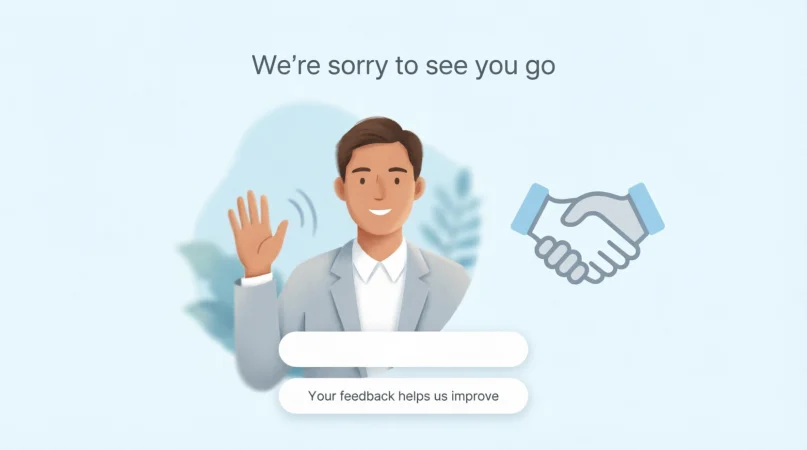
1. We’re sorry to see you go, and we appreciate your support.
Example: Responding to a customer who cancels a monthly subscription.
Meaning: You express regret about losing the customer while showing gratitude.
2. Thank you for being a valued customer.
Example: Acknowledging the cancellation of a long-standing customer’s account.
Meaning: You recognize their previous support.
3. May we ask what led to your decision to cancel?
Example: Inviting feedback after a customer submits a cancellation request.
Meaning: You seek useful feedback without demanding an explanation.
4. We understand your needs may have changed.
Example: Responding to someone who no longer requires your service.
Meaning: You acknowledge their circumstances without judgment.
5. We appreciate your honest feedback.
Example: Replying when a customer explains dissatisfaction with your service.
Meaning: You show willingness to listen and learn.
6. Is there anything we could have done differently?
Example: Asking a departing customer for feedback about their experience.
Meaning: You invite constructive suggestions for improvement.
7. We’d be happy to help if your needs change in the future.
Example: Closing a conversation with a customer who is leaving for now.
Meaning: You leave the possibility of a future relationship open.
8. Your feedback helps us improve our service.
Example: Responding to a customer who provides a reason for cancellation.
Meaning: You show that their experience can inform future improvements.
9. We’ll make sure your cancellation request receives attention.
Example: Responding to a customer who is worried about their request being overlooked.
Meaning: You reassure them that the matter will be handled.
10. Thank you for giving us the opportunity to serve you.
Example: Responding to a customer who has used your business for years.
Meaning: You express appreciation for their trust.
5. Responses to Cancellation of Service by Email
Email replies should confirm the request, explain any necessary next steps, and maintain a professional tone.
1. Subject: Confirmation of Your Cancellation Request
Example: Using a clear subject line when acknowledging a cancellation email.
Meaning: You make the purpose of the email immediately recognizable.
2. Thank you for your email regarding the cancellation of your service.
Example: Opening a formal response to a customer’s written request.
Meaning: You acknowledge the specific reason for the correspondence.
3. This email confirms that we have received your request.
Example: Responding when the cancellation has been received but not yet finalized.
Meaning: You confirm receipt without implying completion.
4. We will review your request and provide an update.
Example: Replying when approval or additional processing is required.
Meaning: You explain what the customer can expect next.
5. Please find the relevant cancellation information below.
Example: Providing details about the effective date, fees, or remaining steps.
Meaning: You direct the reader to important information.
6. Your service is scheduled to end on the confirmed date.
Example: Confirming an agreed termination date after checking the account.
Meaning: You clarify when the service is expected to stop.
7. Please review the final account details before closure.
Example: Asking a customer to verify their final statement or outstanding balance.
Meaning: You encourage the customer to check important information before completion.
8. We appreciate your patience while we complete the process.
Example: Responding when cancellation processing takes additional time.
Meaning: You acknowledge the wait while keeping expectations measured.
9. Please contact us if you need clarification on any part of the process.
Example: Closing an email that includes several cancellation steps.
Meaning: You invite questions to prevent confusion.
10. We will send a confirmation once the cancellation is complete.
Example: Informing a customer that a final confirmation will follow.
Meaning: You explain how the customer will know the process is finished.
6. Responses When You Want to Retain the Customer
If a customer is considering leaving, a thoughtful retention message can help you understand their concerns without making them feel trapped.
1. We’re sorry the service hasn’t met your expectations.
Example: Responding when a customer cites dissatisfaction as the reason for cancellation.
Meaning: You acknowledge their experience and take their concern seriously.
2. Would you be open to discussing a solution before making your final decision?
Example: Responding to a customer who seems uncertain about canceling.
Meaning: You offer an opportunity to resolve the issue without pressure.
3. We’d appreciate the chance to address your concerns.
Example: Replying when a customer mentions a problem with service quality.
Meaning: You express a willingness to work toward a solution.
4. Would a different plan better suit your needs?
Example: Helping a subscriber who says their current plan is no longer suitable.
Meaning: You explore an alternative that may fit their situation better.
5. We may have options that better match your current requirements.
Example: Responding when a customer says their needs or budget have changed.
Meaning: You offer possible alternatives without promising a specific outcome.
6. Could we help resolve the issue that led to your cancellation?
Example: Inviting a customer to explain a fixable service problem.
Meaning: You focus on practical support rather than pressure.
7. We value your feedback and would welcome another opportunity to help.
Example: Replying to a customer who has expressed frustration.
Meaning: You communicate appreciation and a willingness to improve.
8. If you’re comfortable sharing, we’d like to understand what could be improved.
Example: Asking a departing customer about their experience.
Meaning: You invite honest feedback while respecting their choice.
9. We can review the available options together if you’d like.
Example: Offering help to a customer who is unsure whether to cancel or downgrade.
Meaning: You make support available without forcing a decision.
10. Your satisfaction matters to us, and we’d like to understand your concerns.
Example: Responding to a customer who is leaving after a disappointing experience.
Meaning: You show that their concerns deserve attention.
7. Funny Responses to Cancellation of Service
A little humor works best when the situation is low-stakes and the relationship is friendly. Keep jokes away from sensitive complaints and serious billing disputes.
1. Well, this service relationship had a good run!
Example: Joking with a colleague about ending an unused subscription.
Meaning: You treat the cancellation like a lighthearted ending.
2. It’s not you, it’s the monthly bill.
Example: Explaining humorously why you’re canceling an expensive subscription.
Meaning: You blame the cost rather than the relationship itself.
3. Time for this subscription to enter its retirement era.
Example: Announcing the cancellation of a service you rarely use.
Meaning: You humorously frame the unused subscription as finished with its job.
4. We’re officially breaking up with this service.
Example: Telling a friend you’re ending a streaming subscription.
Meaning: You compare the cancellation to a playful breakup.
5. The budget said, “We need to talk.”
Example: Explaining a decision to cancel a nonessential service.
Meaning: You make a financial decision sound relatable and amusing.
6. Thanks for the memories and the recurring invoices.
Example: Joking about a service you’re finally canceling.
Meaning: You humorously acknowledge the experience and its costs.
7. Our subscription era has come to an end.
Example: Posting about canceling a service you no longer need.
Meaning: You present the cancellation as the end of a chapter.
8. This service and I are taking separate paths.
Example: Explaining a switch to another provider in a casual group chat.
Meaning: You make the decision sound friendly rather than negative.
9. The cancel button finally won the battle.
Example: Celebrating the end of a subscription you kept forgetting to cancel.
Meaning: You joke about finally following through.
10. My wallet requested this cancellation personally.
Example: Telling friends you’re cutting back on monthly expenses.
Meaning: You use humor to explain a practical financial choice.
8. Sarcastic Responses to Cancellation of Service
Sarcasm can help when you’re frustrated, but use it carefully in customer support or formal business communication.
1. Thanks for the timely update.
Example: Responding privately when a cancellation arrives at the last minute.
Meaning: Depending on the tone, you may be highlighting the inconvenience.
2. Well, that certainly changes the plan.
Example: Reacting to an unexpected service cancellation that affects your schedule.
Meaning: You express surprise with a hint of dry humor.
3. Just when everything was perfectly organized.
Example: Responding to a last-minute cancellation among close colleagues.
Meaning: You lightly acknowledge the disruption to your plans.
4. A plot twist nobody scheduled.
Example: Joking with a friend about an unexpected cancellation.
Meaning: You compare the change to an unforeseen story development.
5. There goes that beautifully organized calendar.
Example: Reacting when a canceled service creates a scheduling gap.
Meaning: You express mild frustration in a humorous way.
6. Well, the plan had a short but memorable life.
Example: Responding to the cancellation of a newly arranged service.
Meaning: You use irony to acknowledge that the arrangement ended quickly.
7. At least the update arrived eventually.
Example: Responding privately when someone takes too long to inform you of a cancellation.
Meaning: You point out the delay with restrained sarcasm.
8. That was certainly an unexpected change of direction.
Example: Replying when a client abruptly ends a project.
Meaning: You express surprise without using openly hostile language.
9. The calendar is going to need a moment.
Example: Reacting humorously to several canceled bookings.
Meaning: You exaggerate the scheduling disruption for comic effect.
10. Well, that answers what we’re not doing today.
Example: Responding to a canceled appointment with a close friend.
Meaning: You use dry humor to acknowledge the change of plans.
9. Responses When a Service Provider Cancels on You
When a company or provider cancels a service you depend on, your response should clarify the reason, the impact, and your available options.
1. Thank you for informing me. Could you explain the reason for cancellation?
Example: Replying when your provider cancels a scheduled appointment.
Meaning: You request a clear explanation before deciding what to do next.
2. Will an alternative service be available?
Example: Responding when a provider discontinues your current service.
Meaning: You ask whether a replacement option exists.
3. Please let me know how this affects my existing agreement.
Example: Responding to a formal notice about service termination.
Meaning: You seek clarification about your current obligations and rights.
4. Could you confirm whether any charges will be refunded?
Example: Asking about payment after a prepaid service is canceled.
Meaning: You request specific information about possible refunds.
5. I would appreciate an update on the next available option.
Example: Replying when a canceled booking needs to be rescheduled.
Meaning: You seek a practical way forward.
6. This cancellation creates an inconvenience, so I’d appreciate a clear resolution.
Example: Responding when the cancellation disrupts an important arrangement.
Meaning: You explain the impact and request a useful next step.
7. Please confirm the cancellation in writing.
Example: Requesting a written record after a provider ends a service.
Meaning: You seek documentation for your records.
8. Can you clarify whether I need to take any further action?
Example: Responding when the provider’s notice doesn’t explain what happens next.
Meaning: You want to understand your responsibilities.
9. I’d appreciate advance notice if any further changes are expected.
Example: Addressing a provider after an unexpected cancellation.
Meaning: You ask for better communication about future disruptions.
10. Please explain what options are available under the current policy.
Example: Responding to a canceled service that may be covered by company terms.
Meaning: You request information about the options that apply to your situation.
10. Responses to Cancellation of a Subscription
These replies are useful for streaming platforms, memberships, software, apps, and other recurring services.
1. Your subscription cancellation request has been received.
Example: Acknowledging a request to end a monthly membership.
Meaning: You confirm receipt without implying that the subscription has already ended.
2. Your subscription will remain active until the confirmed end date.
Example: Explaining continued access after a cancellation request.
Meaning: You clarify the expected service period, subject to the account terms.
3. Would you like information about other available plans?
Example: Offering alternatives to a subscriber who is canceling due to changing needs.
Meaning: You make other options available without pressuring them.
4. Thank you for being part of our community.
Example: Responding to a member who is leaving an online platform.
Meaning: You express appreciation for their participation.
5. You can review your account details before the subscription ends.
Example: Reminding a subscriber to check their remaining access and account settings.
Meaning: You encourage them to verify important details.
6. Please check your confirmation email for the cancellation details.
Example: Directing a customer to the written record of their subscription cancellation.
Meaning: You help them find the information they need.
7. We appreciate your support throughout your subscription.
Example: Closing a conversation with a departing subscriber.
Meaning: You acknowledge their past business.
8. Your feedback about the subscription would be helpful.
Example: Asking a departing member for optional feedback.
Meaning: You invite insights that may improve the service.
9. You can contact us if you need help accessing your account information.
Example: Assisting someone who wants to download or review account details before leaving.
Meaning: You offer support with practical next steps.
10. We’ll be happy to welcome you back if your needs change.
Example: Closing a subscription cancellation conversation.
Meaning: You leave the relationship open without demanding a return.
11. Responses When You Need to Cancel a Service Yourself
If you’re the customer ending a service, a concise message can explain your decision and request confirmation without unnecessary details.
1. I’d like to cancel my service effective as soon as permitted.
Example: Requesting cancellation from a provider after checking the applicable terms.
Meaning: You communicate your intention and preferred timing.
2. Please process my cancellation request and confirm once completed.
Example: Emailing a company to end an active subscription.
Meaning: You request action and written confirmation.
3. I no longer require this service. Thank you for your assistance.
Example: Canceling a service that no longer fits your needs.
Meaning: You explain the reason briefly and remain polite.
4. Please let me know if any additional steps are required.
Example: Sending a cancellation request when you’re unsure of the procedure.
Meaning: You ask for guidance to complete the process correctly.
5. I’d like to discontinue my subscription at the end of the current billing period.
Example: Requesting that a recurring subscription end at the appropriate billing date.
Meaning: You specify your preferred timing for cancellation.
6. Please provide confirmation of the final service date.
Example: Ending a service where timing affects your plans.
Meaning: You ask for a clear record of when the service will stop.
7. My circumstances have changed, so I need to cancel the service.
Example: Explaining a personal or financial reason for ending a service.
Meaning: You give a straightforward reason without sharing unnecessary details.
8. Thank you for your service so far. I’d like to close my account.
Example: Ending a long-term membership or account.
Meaning: You combine appreciation with a clear request.
9. Please explain any remaining fees before finalizing the cancellation.
Example: Requesting details about possible outstanding charges.
Meaning: You seek financial clarity before the process is completed.
10. I’d appreciate written confirmation once everything is finalized.
Example: Canceling a contract or subscription that requires documentation.
Meaning: You request a record of the completed cancellation.
12. Empathetic Responses to Cancellation of Service
An empathetic response is especially useful when the cancellation is connected to financial pressure, personal circumstances, or an unpleasant experience.
1. We understand that circumstances can change.
Example: Responding to a customer who can no longer afford a service.
Meaning: You acknowledge their situation without judgment.
2. Thank you for letting us know, and we wish you well.
Example: Replying to someone canceling because of a personal change.
Meaning: You show kindness while respecting their decision.
3. We appreciate you sharing your concerns with us.
Example: Responding to a customer who explains a difficult service experience.
Meaning: You acknowledge their willingness to communicate.
4. We’re sorry this experience hasn’t been what you expected.
Example: Replying to a customer who is leaving after a disappointing experience.
Meaning: You recognize their dissatisfaction and respond with care.
5. We understand this may not have been an easy decision.
Example: Responding to a long-term customer ending an important service.
Meaning: You acknowledge that cancellations can involve difficult choices.
6. Please let us know if there’s anything we can clarify during the process.
Example: Helping a customer who is worried about the implications of cancellation.
Meaning: You offer information and support.
7. Your experience matters, and we’re listening.
Example: Responding to a customer who shares negative feedback before leaving.
Meaning: You demonstrate that their concerns are being taken seriously.
8. We respect your choice and appreciate your honesty.
Example: Replying when a customer explains why they are discontinuing a service.
Meaning: You recognize their decision and openness.
9. We hope the next arrangement works better for your needs.
Example: Responding to a customer switching to another provider.
Meaning: You express goodwill without resentment.
10. Thank you for giving us the chance to understand your concerns.
Example: Closing a conversation after discussing why a customer is leaving.
Meaning: You appreciate the opportunity to listen.
13. Firm Responses to Cancellation Problems
Use these replies when you need clear answers about delays, billing issues, or an unprocessed cancellation.
1. I submitted my cancellation request and would appreciate an update.
Example: Following up after receiving no response to an earlier request.
Meaning: You request progress without making an accusation.
2. Please clarify why the cancellation has not yet been completed.
Example: Contacting a provider when the account still appears active.
Meaning: You seek a clear explanation for the delay.
3. Could you confirm the status of my cancellation in writing?
Example: Following up on an account closure that remains uncertain.
Meaning: You request documented confirmation.
4. Please review the cancellation date and any charges applied afterward.
Example: Querying a bill that includes charges you believe may be incorrect.
Meaning: You ask the provider to verify the dates and charges.
5. I would appreciate a clear explanation of the remaining requirements.
Example: Responding when a provider says additional steps are needed.
Meaning: You seek specific instructions to resolve the issue.
6. Please explain the basis for any cancellation fee.
Example: Questioning a fee listed on a final statement.
Meaning: You request transparency about the charge.
7. I would like this matter reviewed under the applicable service terms.
Example: Escalating a disputed cancellation or account closure.
Meaning: You ask for the issue to be assessed according to the agreement.
8. Please confirm whether my request was received on the original date.
Example: Checking the timeline when a cancellation has not taken effect as expected.
Meaning: You seek confirmation of the record.
9. I’d appreciate a specific timeline for resolving this issue.
Example: Following up after multiple delays in processing a cancellation.
Meaning: You ask for a clear expectation instead of a vague promise.
10. Please direct me to the appropriate team if further review is needed.
Example: Contacting support when the initial representative cannot resolve the issue.
Meaning: You request escalation to the right department.
14. Short Text and Chat Responses to Cancellation of Service
For customer support chats, text messages, and quick business updates, concise wording can make the exchange easier.
1. Thanks, cancellation request received.
Example: Acknowledging a request through a customer service chat.
Meaning: You confirm receipt in a brief, clear way.
2. Understood. I’ll check the details.
Example: Responding when a customer asks you to cancel a service.
Meaning: You acknowledge the request and indicate that you will review it.
3. Got it. I’ll confirm the next steps shortly.
Example: Replying when a cancellation requires additional checks.
Meaning: You promise a follow-up about the process rather than immediate completion.
4. Thanks for the update.
Example: Responding to a cancellation notification from a colleague.
Meaning: You acknowledge the information without adding unnecessary detail.
5. No problem. I’ll review your request.
Example: Replying to a brief customer message about canceling.
Meaning: You keep the interaction friendly while indicating a next step.
6. Could you share the reason for cancellation?
Example: Asking for optional feedback during a support chat.
Meaning: You invite the customer to explain their decision.
7. I’ll look into this and get back to you.
Example: Responding when you need to verify a cancellation status.
Meaning: You explain that further checking is necessary.
8. Your request is noted.
Example: Acknowledging a short message about ending a service.
Meaning: You confirm that you’ve taken note of the request.
9. Would you like help with anything before the service ends?
Example: Offering support to a customer who is canceling.
Meaning: You provide assistance without insisting they stay.
10. Please check your email for the confirmation details.
Example: Directing a customer to a formal cancellation notice.
Meaning: You point them toward the relevant record.
15. Creative and Thoughtful Responses to Cancellation of Service
These replies add warmth and personality when the circumstances are appropriate, while still keeping the message clear.
1. Every chapter has an ending, and we’re grateful you were part of ours.
Example: Closing a long-term customer relationship with a thoughtful note.
Meaning: You frame the cancellation as a respectful transition.
2. Thank you for being part of our journey so far.
Example: Responding to a customer who has supported a small business for years.
Meaning: You express gratitude for the time you shared.
3. Plans change, and we respect where yours are taking you.
Example: Replying to a client whose priorities have shifted.
Meaning: You accept their decision with understanding.
4. We’re grateful for the time we had the chance to work together.
Example: Ending a service arrangement with a valued client.
Meaning: You focus on appreciation rather than the loss of business.
5. Thank you for the trust you’ve placed in us.
Example: Responding to a customer who is ending a professional service.
Meaning: You recognize the trust involved in the relationship.
6. We’ll close this chapter with appreciation and respect.
Example: Ending a long-running service agreement on good terms.
Meaning: You communicate a positive and respectful conclusion.
7. We hope the next step brings exactly what you need.
Example: Responding to a customer moving to a different provider.
Meaning: You offer sincere goodwill for their next decision.
8. We’re glad our paths crossed, even if this chapter is ending.
Example: Closing a friendly business relationship that is coming to an end.
Meaning: You acknowledge the value of the experience.
9. Thank you for the opportunity to be part of your plans.
Example: Responding to a client who is ending a project or service.
Meaning: You show gratitude for having been included.
10. We appreciate the memories, feedback, and time you’ve shared with us.
Example: Responding to a long-term member who is leaving a community service.
Meaning: You recognize the broader value of their involvement.
FAQs About Responses to Cancellation of Service
What does cancellation of service mean?
It means ending a service, subscription, contract, or ongoing arrangement.
How should I respond to a service cancellation?
Acknowledge the request, explain the next steps, and remain polite and clear.
What is a professional response to a cancellation email?
Say, “Thank you for notifying us. We acknowledge receipt of your cancellation request.”
How do I respond when a customer cancels?
Thank them for their business, respect their choice, and invite feedback if appropriate.
Should I ask why someone canceled a service?
Yes, politely and optionally, if their feedback could help you improve.
Can I use humor in a cancellation message?
Yes, for casual situations. Avoid humor when a customer is upset or facing a serious issue.
What if I don’t mean an apology?
Don’t offer one just to sound polite. Acknowledge the message and explain the next steps honestly.
How do I respond to an unexpected cancellation?
Ask for clarification, assess the impact, and discuss practical alternatives if needed.
What should I say if a provider cancels my service?
Ask why it happened, what happens next, and whether alternatives or refunds are available.
Should a cancellation response include confirmation?
Yes. Confirm receipt or completion accurately, and state any remaining steps or dates.
Conclusion
A service cancellation doesn’t have to end in confusion, awkwardness, or a strained relationship. The right response depends on who’s canceling, why the service is ending, and what needs to happen next. A short acknowledgment may be enough for a routine request, while a billing dispute or disappointed customer may need a more thoughtful reply.
Choose words that match the situation, communicate clearly, and respect everyone’s decision. Save your favorite responses for emails, customer support chats, client messages, or your next subscription cancellation. A little clarity and kindness can make even an inconvenient ending feel professional. Pick the reply that fits, keep it genuine, and communicate with confidence