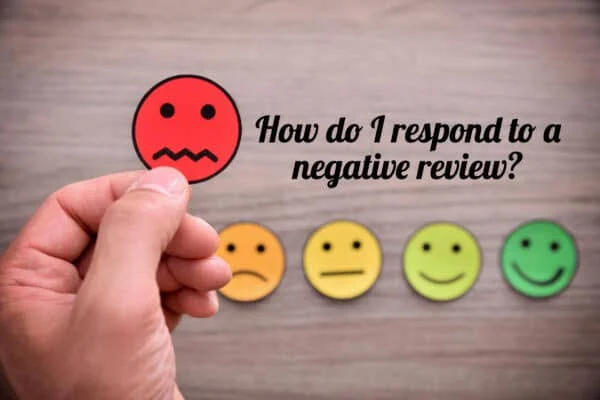
The best way to respond to negative feedback is to stay calm, listen carefully, and reply with confidence rather than getting defensive. Whether the feedback comes from a boss, friend, customer, or someone online, choose a response that fits the situation.
Nobody enjoys hearing something negative about themselves, their work, or their decisions. Whether it’s a critical message from your boss, an unexpected comment from a friend, a customer complaint, or feedback on your latest social media post, knowing what to say can make all the difference.
Learning how to respond to negative feedback isn’t about pleasing everyone or pretending criticism never hurts. It’s about handling uncomfortable moments with maturity, confidence, and a little emotional intelligence. The right response can turn criticism into an opportunity, protect your self-respect, and show others that you know how to handle difficult conversations. Here are plenty of natural replies for every mood and situation.
1. Professional Responses to Negative Feedback
When criticism comes from your manager, colleague, or business partner, a professional response shows that you’re mature and willing to improve. These replies keep things respectful without sounding overly formal.
- Thank you for bringing this to my attention. Example: When your manager highlights a mistake. Meaning: You acknowledge the concern professionally.
- I appreciate your honest feedback. Example: When receiving comments during a performance review. Meaning: You value constructive criticism.
- I’ll take your suggestions into consideration. Example: When discussing improvements at work. Meaning: You’re open to different perspectives.
- I’ll work on improving that area. Example: When a colleague identifies a weakness. Meaning: You’re committed to personal growth.
- Thank you for helping me identify this. Example: When someone points out an overlooked issue. Meaning: You appreciate their attention.
- I understand your concerns and will address them. Example: When responding to a supervisor. Meaning: You take the matter seriously.
- That’s something I can definitely work on. Example: When discussing professional development. Meaning: You accept the opportunity to improve.
- I appreciate you taking the time to explain. Example: When someone gives detailed feedback. Meaning: You respect their effort.
- I’ll make the necessary adjustments moving forward. Example: When correcting a work-related mistake. Meaning: You’re ready to take action.
- Could you share an example so I can understand better? Example: When feedback seems unclear. Meaning: You want practical guidance.
- I’m glad you shared your perspective. Example: During a team discussion. Meaning: You welcome different opinions.
- I’ll keep this in mind for future projects. Example: After receiving project feedback. Meaning: You intend to learn from the experience.
2. Polite Responses to Negative Feedback
Sometimes you want to acknowledge someone’s opinion without creating tension. These polite replies work well with acquaintances, relatives, coworkers, and people whose opinions you respect.
- Thank you for sharing your thoughts. Example: When someone comments on your work. Meaning: You acknowledge their opinion respectfully.
- I appreciate your honesty. Example: When receiving direct criticism. Meaning: You respect their willingness to speak openly.
- That’s something worth thinking about. Example: When someone offers a different perspective. Meaning: You’re considering their point.
- I understand where you’re coming from. Example: During a disagreement. Meaning: You recognize their perspective.
- Thanks for letting me know. Example: When someone identifies a problem. Meaning: You acknowledge the information without arguing.
- I’ll keep your feedback in mind. Example: When receiving advice from someone. Meaning: You’re willing to reflect on their comments.
- I see your point, and I respect it. Example: When discussing different opinions. Meaning: You respect their viewpoint.
- That’s fair feedback, thank you. Example: When criticism is reasonable. Meaning: You accept the comment gracefully.
- I appreciate you being straightforward with me. Example: When someone speaks honestly. Meaning: You value direct communication.
- I’ll give that some thought. Example: When you need time to process criticism. Meaning: You’re not rushing your response.
- Thanks for helping me see another perspective. Example: During a personal discussion. Meaning: You appreciate alternative viewpoints.
- I respect your opinion, even if I see things differently. Example: When you disagree politely. Meaning: You maintain mutual respect.
3. Confident Responses to Negative Feedback
Negative feedback doesn’t have to shake your confidence. These replies help you acknowledge criticism while remembering that one person’s opinion doesn’t define your abilities or worth.
- I’m always learning, and I’m comfortable with that. Example: When someone criticizes your progress. Meaning: You embrace growth without insecurity.
- I know what I’m capable of. Example: When someone doubts your abilities. Meaning: You believe in your potential.
- Feedback doesn’t define my worth. Example: When criticism feels personal. Meaning: You separate your identity from opinions.
- I’m working on becoming better every day. Example: When discussing personal development. Meaning: You remain committed to growth.
- I can accept criticism without losing confidence. Example: When someone questions your decisions. Meaning: You demonstrate emotional strength.
- I’m proud of the progress I’ve made. Example: When your efforts are overlooked. Meaning: You recognize your achievements.
- I appreciate the feedback, but I trust my judgment. Example: When someone challenges your decision. Meaning: You balance openness with self-belief.
- Not every opinion needs to change my direction. Example: When facing unnecessary criticism. Meaning: You maintain independence.
- I’m confident enough to keep improving. Example: When receiving feedback about your skills. Meaning: You combine confidence with humility.
- I know there’s room to grow, and I’m okay with that. Example: When discussing weaknesses. Meaning: You accept imperfections.
- My progress matters more than one negative comment. Example: When criticism discourages you. Meaning: You focus on the bigger picture.
- I’ll take the lesson, not the negativity. Example: When criticism includes unnecessary negativity. Meaning: You choose growth over discouragement.
4. Funny Responses to Negative Feedback
A little humor can make an uncomfortable moment easier, especially when the criticism isn’t too serious. These playful replies add personality without turning every comment into an argument.
- Well, that wasn’t on my bingo card today. Example: When unexpected criticism comes your way. Meaning: You respond with playful surprise.
- Adding that to my character development. Example: When a friend points out a flaw. Meaning: You turn criticism into a joke.
- My improvement era has officially begun. Example: When someone highlights something you need to fix. Meaning: You laugh about personal growth.
- Noted, reviewed, and emotionally processed. Example: When receiving blunt feedback. Meaning: You acknowledge criticism humorously.
- Guess I’ve unlocked another learning experience. Example: When making a small mistake. Meaning: You make light of the situation.
- My ego needed a little reality check anyway. Example: When criticism is surprisingly accurate. Meaning: You show humorous self-awareness.
- Well, at least we’re keeping things interesting. Example: When feedback catches you off guard. Meaning: You lighten the mood.
- I’ll add that to my growing list of life lessons. Example: When receiving advice from friends. Meaning: You accept criticism playfully.
- Ouch, my confidence felt that one. Example: When someone makes a blunt comment. Meaning: You express surprise through humor.
- Guess perfection is still buffering. Example: When someone points out a mistake. Meaning: You joke about being imperfect.
- Thanks, my personal review department. Example: When a friend constantly gives opinions. Meaning: You tease them affectionately.
- Character development comes with unexpected reviews. Example: When receiving criticism about your choices. Meaning: You use humor to embrace growth.
5. Sarcastic Responses to Negative Feedback
When someone delivers criticism with an unnecessary attitude, a little sarcasm can help you respond without getting dragged into an argument. Use these when the situation is casual and your relationship allows playful teasing.
- Well, thank you for that delightful review. Example: When someone makes an unnecessarily negative comment. Meaning: You respond with subtle sarcasm.
- I’ll be sure to frame that opinion. Example: When someone gives unsolicited criticism. Meaning: You show that their comment doesn’t bother you.
- Your feedback has been received and filed away. Example: When someone keeps repeating their criticism. Meaning: You acknowledge them without engaging further.
- What would I do without this commentary? Example: When someone constantly judges your decisions. Meaning: You highlight their unnecessary involvement.
- I’ll alert the improvement department immediately. Example: When someone points out a minor flaw. Meaning: You respond with playful sarcasm.
- That’s certainly one way to look at it. Example: When someone makes a questionable judgment. Meaning: You politely distance yourself from their opinion.
- Thanks for the unsolicited performance review. Example: When someone critiques everything you do. Meaning: You point out their unnecessary criticism.
- I’ll try to survive this devastating feedback. Example: When a friend exaggerates a small mistake. Meaning: You make light of the criticism.
- Your opinion has officially entered the discussion. Example: When someone insists on sharing their judgment. Meaning: You acknowledge their comment sarcastically.
- I’ll consider that once my schedule allows. Example: When someone gives unwanted advice. Meaning: You refuse to take their opinion too seriously.
- A fascinating contribution to the conversation. Example: When someone makes a rude observation. Meaning: You respond with dry humor.
- Thank you for your very detailed observation. Example: When someone points out something obvious. Meaning: You gently highlight their unnecessary comment.
6. Brutally Honest but Respectful Responses to Negative Feedback
Sometimes being polite doesn’t mean agreeing with everything. These direct responses help you establish boundaries and defend your perspective without becoming disrespectful.
- I respect your opinion, but I don’t agree with it. Example: When someone misunderstands your intentions. Meaning: You confidently express disagreement.
- Constructive criticism is welcome, personal attacks aren’t. Example: When feedback becomes insulting. Meaning: You establish a clear boundary.
- You can disagree with me without disrespecting me. Example: When someone speaks rudely. Meaning: You demand respectful communication.
- I asked for feedback, not judgment. Example: When someone becomes unnecessarily personal. Meaning: You distinguish advice from criticism.
- My mistakes don’t give anyone permission to disrespect me. Example: When criticism becomes insulting. Meaning: You protect your self-respect.
- If there’s a problem, let’s discuss the facts. Example: During a heated workplace discussion. Meaning: You prefer evidence over personal attacks.
- I’m willing to improve, not entertain unnecessary negativity. Example: When someone repeatedly criticizes you. Meaning: You refuse unproductive conversations.
- Let’s keep this conversation respectful and productive. Example: When discussions become uncomfortable. Meaning: You redirect the conversation constructively.
- I can own my mistakes without accepting unfair blame. Example: When someone exaggerates your responsibility. Meaning: You accept accountability without accepting false accusations.
- Your delivery matters as much as your message. Example: When criticism is communicated rudely. Meaning: You highlight the importance of respectful communication.
- I’ll consider valid points, not personal assumptions. Example: When someone makes unfair judgments. Meaning: You separate useful feedback from speculation.
- I’m open to feedback, but I won’t tolerate disrespect. Example: When someone crosses a personal boundary. Meaning: You stand up for yourself firmly.
7. Calm and Mature Responses to Negative Feedback
Not every comment deserves an emotional reaction. Sometimes the strongest response is a calm one that shows you can listen, reflect, and move forward without unnecessary drama.
- I hear what you’re saying. Example: When someone shares a difficult opinion. Meaning: You show that you’re listening.
- Let me take a moment to process that. Example: When criticism catches you off guard. Meaning: You give yourself time to reflect.
- I appreciate your perspective. Example: When someone disagrees with your approach. Meaning: You remain open-minded.
- I understand, and I’ll reflect on it. Example: When receiving personal feedback. Meaning: You respond thoughtfully.
- Let’s focus on what can be improved. Example: When discussing a mistake. Meaning: You shift attention toward solutions.
- I don’t want to react before understanding your point. Example: During an emotional conversation. Meaning: You prioritize understanding over reacting.
- Thank you for being honest with me. Example: When someone shares uncomfortable feedback. Meaning: You value honest communication.
- I can see why you might feel that way. Example: When receiving criticism from a friend. Meaning: You acknowledge their feelings.
- I’ll reflect on what you’ve shared. Example: After a serious discussion. Meaning: You intend to consider the feedback.
- Let’s talk about how we can move forward. Example: When resolving a workplace issue. Meaning: You focus on constructive solutions.
- I appreciate the conversation, even if it’s difficult. Example: When discussing sensitive subjects. Meaning: You value honest discussions.
- There’s no need to make this personal. Example: When criticism becomes emotionally charged. Meaning: You encourage a more respectful discussion.
8. Short and Simple Responses to Negative Feedback
Sometimes you don’t need a long explanation. A short, natural reply is enough to acknowledge feedback and keep the conversation moving.
- Fair enough. Example: When someone makes a reasonable observation. Meaning: You accept their point.
- Thanks for the feedback. Example: After receiving a quick suggestion. Meaning: You acknowledge their input.
- I’ll keep that in mind. Example: When someone offers advice. Meaning: You are willing to consider it.
- I hear you. Example: When someone shares concerns. Meaning: You show that you’re listening.
- That’s helpful to know. Example: When receiving useful criticism. Meaning: You appreciate the information.
- I appreciate the honesty. Example: When someone speaks directly. Meaning: You value their openness.
- I’ll work on it. Example: When someone identifies an area for improvement. Meaning: You accept responsibility.
- Good point. Example: When someone highlights a valid issue. Meaning: You recognize their reasoning.
- Thanks for pointing that out. Example: When someone notices a mistake. Meaning: You appreciate their observation.
- I’ll consider that. Example: When receiving an unexpected opinion. Meaning: You remain open-minded.
- I understand your concern. Example: When someone explains a problem. Meaning: You acknowledge their feelings.
- That’s worth considering. Example: When someone suggests a different approach. Meaning: You are open to reflection.
9. Responses to Negative Feedback at Work
Workplace criticism can feel uncomfortable, especially when it comes from a supervisor or someone evaluating your performance. These replies help you stay professional, solution-focused, and confident.
- Could we discuss how I can improve this? Example: When your supervisor identifies a weakness. Meaning: You seek practical guidance.
- I’d appreciate some specific recommendations. Example: When feedback is too general. Meaning: You want actionable advice.
- I’ll review the issue and make the necessary changes. Example: When receiving project criticism. Meaning: You take corrective action seriously.
- Thank you for helping me improve my performance. Example: During a professional review. Meaning: You welcome development opportunities.
- Let’s identify the best way to address this. Example: When a team project faces criticism. Meaning: You encourage collaboration.
- I understand the expectations and will work toward them. Example: When discussing performance targets. Meaning: You show accountability.
- Could you clarify which part needs the most attention? Example: When receiving multiple comments. Meaning: You want to prioritize improvements.
- I’ll make sure to apply this feedback next time. Example: After a project evaluation. Meaning: You intend to learn from the experience.
- I appreciate the opportunity to correct this. Example: When your work requires revisions. Meaning: You demonstrate responsibility.
- Let’s set clear expectations for the next steps. Example: When discussing future assignments. Meaning: You encourage productive communication.
- I’m committed to delivering better results. Example: When receiving performance feedback. Meaning: You demonstrate dedication.
- I’d like to understand how success will be measured. Example: When discussing improvement plans. Meaning: You seek clear performance standards.
10. Responses to Negative Feedback from Friends and Family
Criticism from people close to you can hurt more because their opinions matter. These replies help you stay honest, respectful, and emotionally balanced while maintaining important relationships.
- I know you mean well, and I appreciate that. Example: When family members offer advice. Meaning: You recognize their good intentions.
- I understand your concern, but I need to make my own choices. Example: When relatives question your decisions. Meaning: You establish independence respectfully.
- Let’s talk about this without hurting each other. Example: When a discussion becomes emotional. Meaning: You prioritize your relationship.
- Your opinion matters, but so does mine. Example: When a friend disagrees with you. Meaning: You value mutual respect.
- I know I have things to improve. Example: When someone close points out a weakness. Meaning: You acknowledge your imperfections.
- I would appreciate a little more understanding. Example: When criticism feels insensitive. Meaning: You ask for emotional consideration.
- I value our relationship more than winning an argument. Example: During a family disagreement. Meaning: You prioritize connection over conflict.
- I know you’re trying to help, but that hurt a little. Example: When advice feels too personal. Meaning: You express your feelings honestly.
- Can we talk about this more calmly? Example: When emotions start taking over. Meaning: You want a healthier discussion.
- I’m learning, just like everyone else. Example: When a family member criticizes your choices. Meaning: You remind them that growth takes time.
- I appreciate your concern, but please trust me too. Example: When friends question your decisions. Meaning: You seek mutual trust.
- I want honest feedback, not hurtful comments. Example: When a loved one becomes overly critical. Meaning: You communicate your emotional boundaries.
11. Responses to Negative Feedback on Social Media
Social media comments can come from friends, strangers, followers, and people who seem to have opinions about everything. These replies help you handle online criticism without spending your entire day arguing in the comments.
- Thanks for stopping by and sharing your thoughts. Example: When someone criticizes your post. Meaning: You acknowledge their comment politely.
- Everyone is entitled to their own opinion. Example: When someone disagrees with your content. Meaning: You accept different viewpoints.
- Not every post will be everyone’s cup of tea. Example: When someone dislikes your content. Meaning: You accept that preferences differ.
- I appreciate constructive suggestions. Example: When a follower offers useful advice. Meaning: You welcome helpful engagement.
- Thanks for the engagement, though! Example: When someone leaves a mildly negative comment. Meaning: You respond with playful confidence.
- I respect your perspective, even from behind a screen. Example: When someone criticizes your opinion online. Meaning: You encourage respectful interaction.
- You don’t have to agree with everything I share. Example: When followers disagree with your post. Meaning: You make room for different opinions.
- I’ll take the useful part and keep moving. Example: When criticism contains a helpful suggestion. Meaning: You focus on constructive information.
- Thanks for sharing, but I’m comfortable with my choice. Example: When someone questions your personal style. Meaning: You confidently stand by yourself.
- Let’s keep the comments respectful. Example: When a discussion becomes hostile. Meaning: You set boundaries for online interaction.
- Different perspectives make conversations interesting. Example: When followers debate your opinion. Meaning: You encourage healthy discussion.
- I’m here for meaningful conversations, not online arguments. Example: When someone tries to provoke you. Meaning: You refuse unnecessary conflict.
12. Responses to Negative Feedback from Customers
Customer complaints require patience, empathy, and a willingness to find solutions. Whether you’re running a business or handling customer service, these responses help maintain trust and show that concerns matter.
- We’re sorry your experience didn’t meet expectations. Example: When a customer reports dissatisfaction. Meaning: You acknowledge their disappointment.
- Thank you for bringing this issue to our attention. Example: When receiving a customer complaint. Meaning: You appreciate the opportunity to address the problem.
- We understand your frustration and want to help. Example: When a customer is unhappy with a service. Meaning: You show empathy and willingness to assist.
- We appreciate your patience while we look into this. Example: When investigating a complaint. Meaning: You request understanding during the review.
- Your feedback helps us improve our service. Example: When customers suggest improvements. Meaning: You value customer opinions.
- Could you share a few more details so we can assist you? Example: When a complaint lacks information. Meaning: You seek clarity before responding.
- We’ll do our best to find a suitable solution. Example: When a customer reports a problem. Meaning: You demonstrate commitment to resolution.
- Thank you for giving us the chance to make things right. Example: When handling a dissatisfied customer. Meaning: You value customer retention.
- We take your concerns seriously. Example: When receiving a formal complaint. Meaning: You show accountability.
- We apologize for the inconvenience caused. Example: When a service issue affects a customer. Meaning: You express regret professionally.
- Your experience matters to us. Example: When responding to negative reviews. Meaning: You reassure customers that their concerns matter.
- We’ll review your feedback and work on improving. Example: When receiving suggestions about your business. Meaning: You commit to reviewing customer concerns.
13. Diplomatic Responses to Negative Feedback
Diplomatic replies are useful when you want to disagree without damaging a relationship. They allow you to acknowledge criticism, explain your position, and keep conversations constructive.
- I appreciate your perspective, and I’d like to share mine too. Example: During a disagreement at work. Meaning: You encourage balanced discussion.
- That’s an interesting observation. Example: When someone challenges your approach. Meaning: You acknowledge their comment without immediate agreement.
- I can see some truth in what you’re saying. Example: When criticism contains valid points. Meaning: You recognize part of their argument.
- Perhaps there’s another way to approach this. Example: When discussing different working methods. Meaning: You suggest an alternative without confrontation.
- I understand your concerns, although I see it differently. Example: During a sensitive discussion. Meaning: You respectfully disagree.
- Let’s look at this from both perspectives. Example: When resolving a disagreement. Meaning: You promote fairness.
- I appreciate the feedback and the opportunity to clarify. Example: When someone misunderstands your actions. Meaning: You welcome constructive discussion.
- There may be room for improvement on both sides. Example: When resolving a shared problem. Meaning: You encourage mutual accountability.
- I’d like us to find common ground. Example: When a disagreement affects teamwork. Meaning: You prioritize cooperation.
- Thank you for raising a different viewpoint. Example: During a group discussion. Meaning: You respect diversity of thought.
- Let’s focus on the issue rather than the individual. Example: When criticism becomes personal. Meaning: You redirect the conversation toward solutions.
- I’m sure we can work through this constructively. Example: When addressing workplace concerns. Meaning: You express confidence in resolving the issue.
14. Emotionally Intelligent Responses to Negative Feedback
Sometimes criticism touches a sensitive part of your personality or reminds you of something you’ve been working hard to improve. These responses help you acknowledge emotions without allowing them to control the conversation.
- That was difficult to hear, but I appreciate your honesty. Example: When someone points out a personal weakness. Meaning: You acknowledge discomfort while remaining open.
- I need a little time to reflect on this. Example: When criticism feels overwhelming. Meaning: You give yourself space to process emotions.
- I’m trying to understand the message behind the criticism. Example: When feedback feels confusing. Meaning: You focus on understanding the intention.
- I appreciate you being honest, even when it’s uncomfortable. Example: When a close friend shares concerns. Meaning: You value genuine communication.
- I know I can grow from this experience. Example: When receiving disappointing feedback. Meaning: You maintain a growth mindset.
- I’d rather learn from this than take it personally. Example: When someone identifies a genuine mistake. Meaning: You choose reflection over defensiveness.
- It’s okay to make mistakes while learning. Example: When someone criticizes your progress. Meaning: You remind yourself that growth takes time.
- I understand that my actions may have affected you. Example: When receiving relationship feedback. Meaning: You recognize the impact of your behavior.
- Thank you for helping me understand how this affected you. Example: When someone explains their hurt feelings. Meaning: You show empathy and accountability.
- I’m listening, even if I don’t have all the answers right now. Example: During a difficult conversation. Meaning: You remain emotionally present.
- I want to improve without being too hard on myself. Example: When struggling with repeated criticism. Meaning: You balance accountability with self-compassion.
- Your feedback gives me something meaningful to reflect on. Example: After a serious discussion. Meaning: You recognize an opportunity for personal growth.
15. Positive and Growth-Minded Responses to Negative Feedback
The best feedback can become a starting point for something better. These optimistic replies show that you see criticism as an opportunity to learn rather than a reason to give up.
- Every bit of feedback helps me grow. Example: When receiving advice about your skills. Meaning: You value continuous improvement.
- I’m grateful for the opportunity to learn. Example: When someone highlights a mistake. Meaning: You appreciate learning experiences.
- I’ll use this as motivation to do better. Example: When receiving performance criticism. Meaning: You turn feedback into motivation.
- There’s always something new to learn. Example: When discussing professional development. Meaning: You remain curious and open-minded.
- Progress starts with recognizing what needs improvement. Example: When reflecting on your weaknesses. Meaning: You understand the value of self-awareness.
- I’m excited to put these suggestions into practice. Example: When receiving useful recommendations. Meaning: You look forward to making improvements.
- This gives me a clear direction for improvement. Example: When someone identifies specific problems. Meaning: You appreciate actionable feedback.
- I’ll turn this lesson into a better result. Example: After receiving project criticism. Meaning: You focus on future success.
- I’m thankful for people who help me see my blind spots. Example: When someone identifies an overlooked weakness. Meaning: You appreciate honest guidance.
- Better today than yesterday is the goal. Example: When discussing personal progress. Meaning: You focus on consistent improvement.
- I’ll keep learning and moving forward. Example: When criticism feels discouraging. Meaning: You remain determined.
- Thank you for helping me become better at what I do. Example: When receiving constructive professional feedback. Meaning: You appreciate support for your development.
FAQs About How to Respond to Negative Feedback
1. What does negative feedback mean?
Negative feedback highlights mistakes, weaknesses, or areas where improvement may be needed.
2. How should I respond to negative feedback without getting upset?
Stay calm, listen carefully, and take time to understand the criticism before replying.
3. How do you respond to negative feedback professionally?
Say, “Thank you for your feedback. I’ll review your suggestions and work on improving.”
4. How do you respond to negative feedback from someone you like?
Acknowledge their feelings, explain your perspective, and keep the conversation respectful.
5. How do you respond to negative feedback without agreeing?
Say, “I appreciate your perspective, although I see things differently.”
6. What is a flirty response to negative feedback?
Try, “I’ll work on that, but I hope I still get bonus points for trying.”
7. Is humor appropriate when responding to negative feedback?
Yes, when the situation is lighthearted and humor won’t dismiss someone’s genuine concerns.
8. What should I say when negative feedback hurts my feelings?
Say, “I appreciate your honesty, but I need a little time to process that.”
9. How do you respond to unfair criticism?
Stay respectful, explain the facts, and establish boundaries if the criticism becomes personal.
10. What if I don’t actually agree with the feedback?
You can acknowledge someone’s opinion without accepting it as completely accurate.
11. Should I always thank someone for negative feedback?
No. Thank people for constructive feedback, but you don’t have to appreciate disrespectful behavior.
12. How do you respond to negative feedback in a text message?
Keep it short with replies like “I hear you” or “Thanks for letting me know.”
Conclusion
Knowing how to respond to negative feedback can completely change the way you handle difficult conversations. Whether you’re replying to your boss, a customer, a friend, or someone leaving an unexpected comment online, the right words can help you communicate with confidence and maturity. Remember, you don’t have to agree with every opinion, explain every decision, or take every criticism personally.
Choose a response that matches the situation, protect your boundaries, and stay open to genuine opportunities for growth. Save this list for those moments when the perfect words just won’t come to mind. Share your favorite replies with a friend, and keep growing without losing your confidence